The Stability Paradox: Why Narrow Hulls are the Future
There was a time when racers thought 26-inch wide boards were the peak of stability. Then, the sport evolved, and we realized that width is just another form of drag. But for years, moving to a 21-inch board felt like signing a death warrant in choppy ocean conditions. The industry consensus was "narrow equals fast, but narrow equals impossible." At RockerWave, we’ve broken this paradox using a concept called Metacentric Volume Clustering.
1. Challenging the Linear Stability Model
Traditional racing boards distribute volume like a long, thin loaf of bread. If you tip them, they fall. They have no "second chance." We realized that we don't need volume across the whole deck; we only need it when the board starts to roll. We studied the Metacentric height—the physical point where a vessel becomes stable—and moved that point out to the rails.
2. The "Snap-Back" Stability
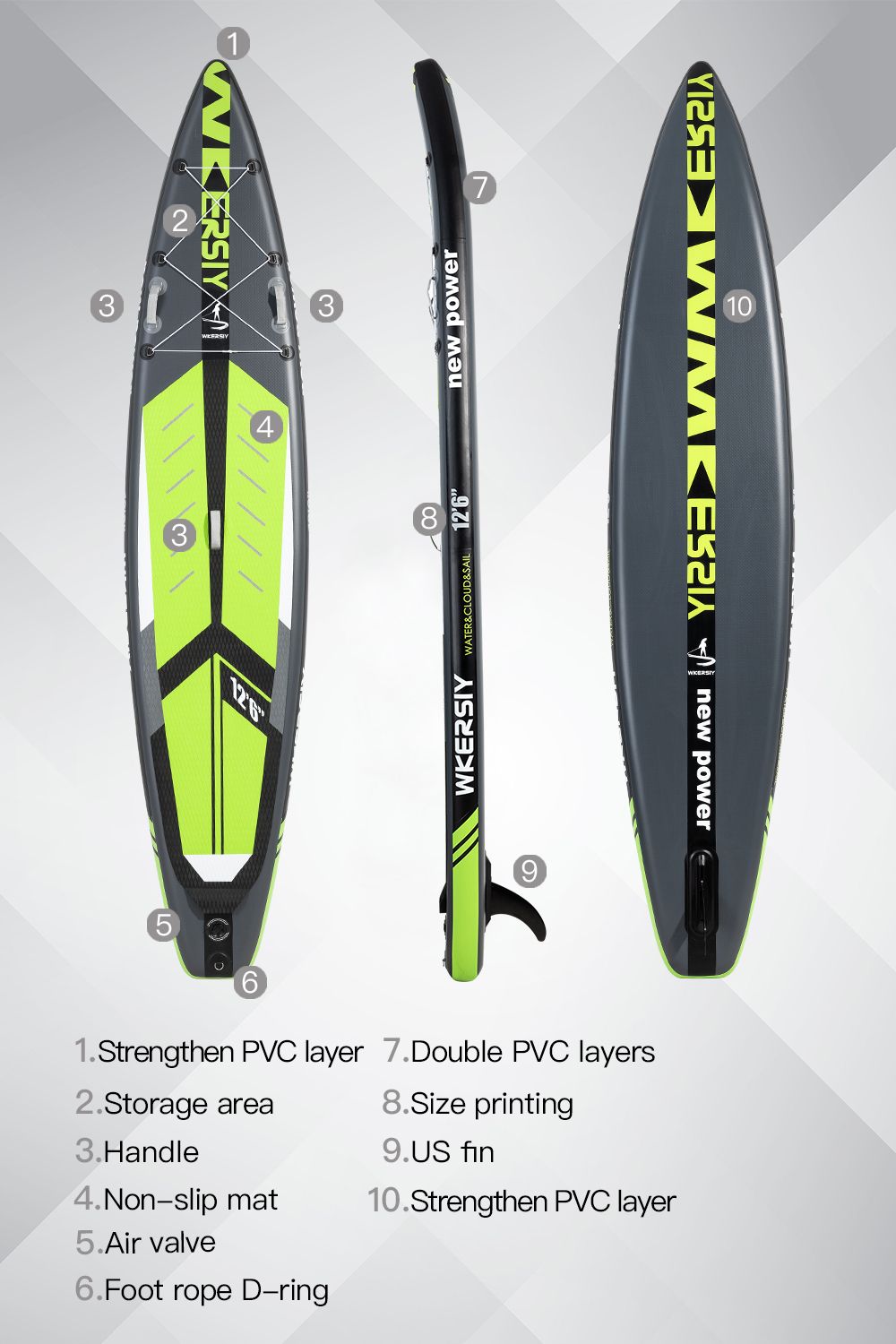
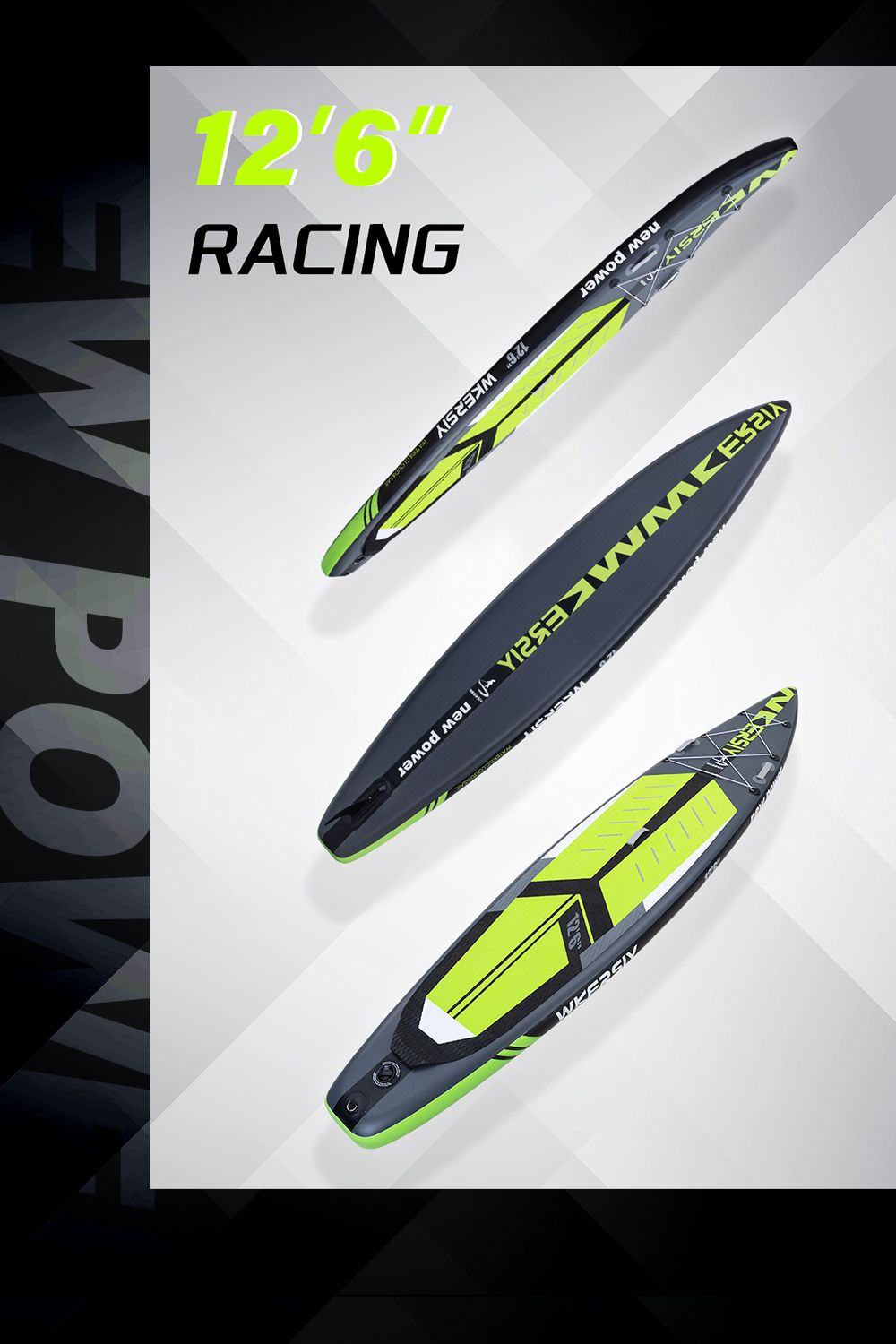
RockerWave’s Master Series boards feature a narrow waterline for pure speed, but they incorporate flared rail clusters that sit just above the water level. In calm water, they don't even touch the surface. But the second a wave knocks you off-balance, these clusters engage. The result is an immediate, explosive surge of buoyancy that snaps you back to center. It’s not just stable; it’s aggressively stable.
3. Winning Where Others Sink
This changes the way you race. While your competitors are clinging to their 26-inch "barges" and losing speed, you’re on a 21-inch rocket, slicing through the chop with total confidence. You have the stability of a boat and the speed of a needle. If you want to stop paddling defensively and start racing with aggression, you need a hull that doesn't just tolerate the conditions—it commands them.