Knife-Edge Bows: How to Master Laminar Flow
Every time you look at a race board, ask yourself one question: does the nose crush the water, or does it slice it? If it crushes it, you’re wasting energy. Laminar flow is the holy grail of marine design—a state where water molecules flow in smooth, parallel layers. The moment you introduce turbulence, you create a bubble-trail of drag that follows you all the way to the tail. RockerWave’s Knife-Edge Bow™ is our solution to this age-old problem.
1. Why Blunt Noses are the Wrong Choice for Speed
Many 'all-condition' boards have blunt, rounded noses. They look safe. They look buoyant. But they act like a wedge, forcing water downward and creating a massive high-pressure zone. This pressure forces air into the water, creating a 'bumpy' wake that effectively traps the nose in a chaotic bubble-bath. This is what we call 'nose-wobble,' and it’s the reason you find yourself constantly correcting your line.
2. The Precision of Laminar Induction
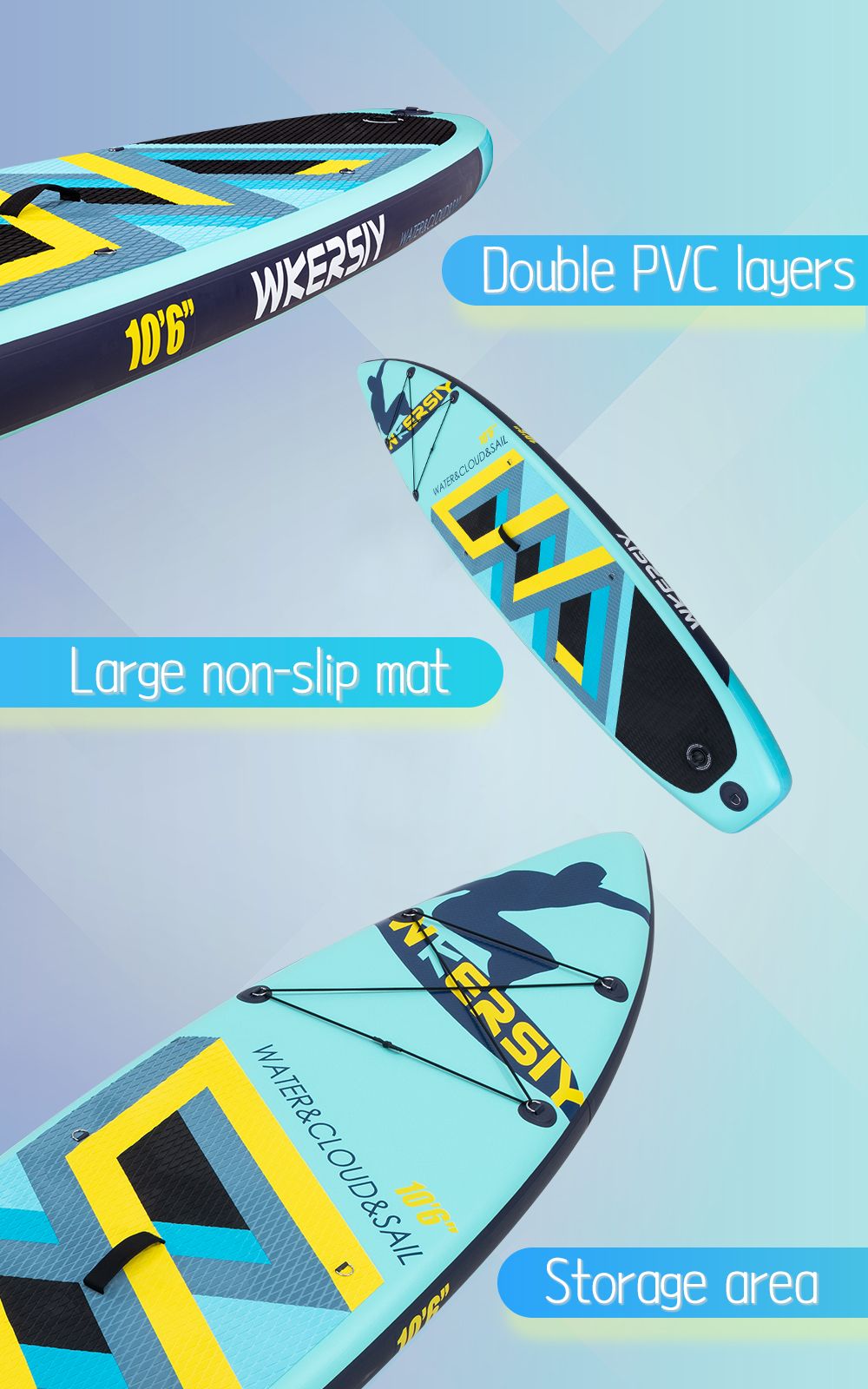
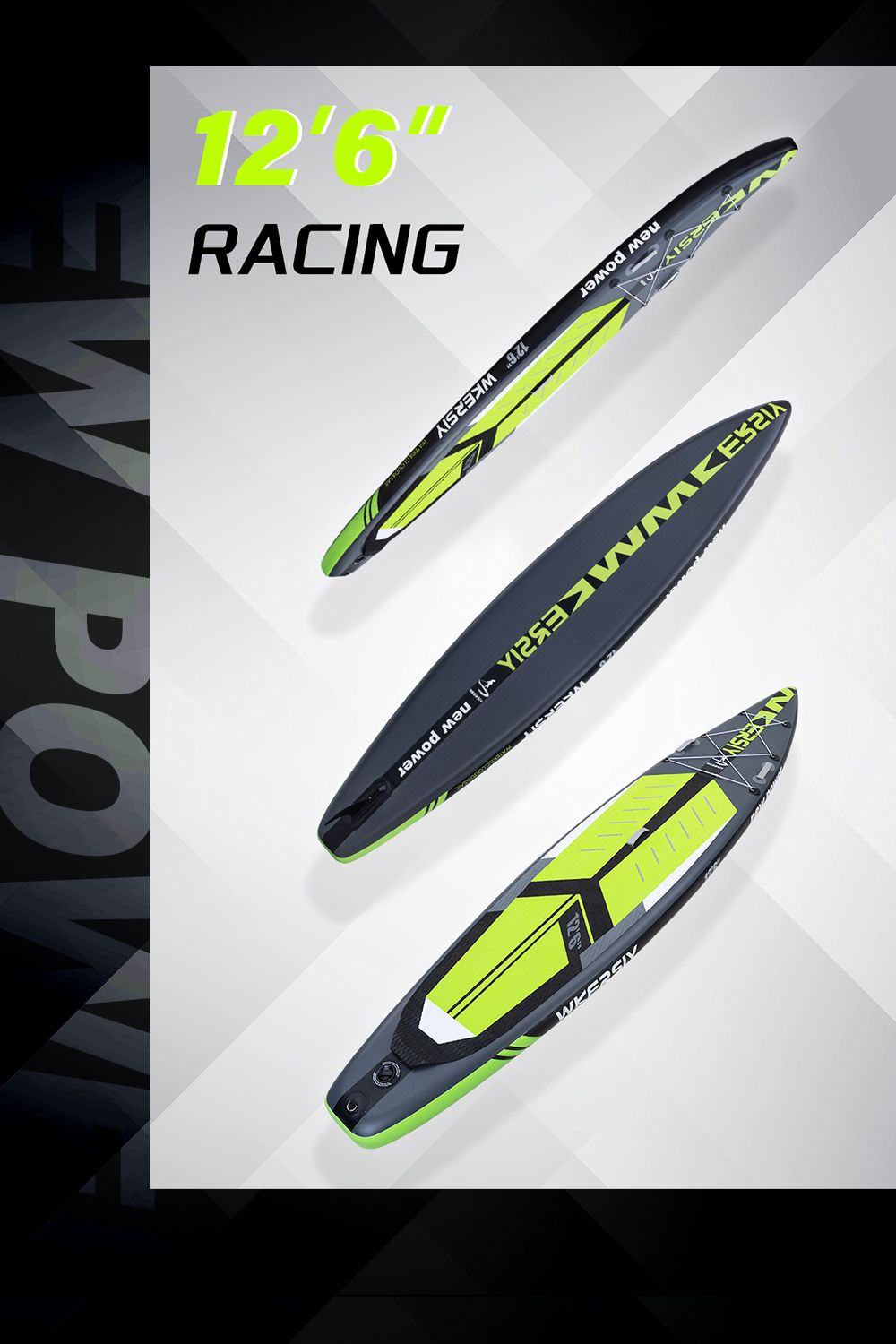
Our bow profile is machined to a razor-thin, parabolic vertical edge. It’s designed to cut into the water with minimal displacement. By not crushing the water, we keep the boundary layer intact. The water slides smoothly along the lateral axis of the hull, maintaining laminar flow throughout the entire length of the board. You aren't fighting the water; you're letting it pass you by.
3. The Tracking Advantage
When you eliminate the turbulence at the entry point, the board tracks like it's on rails. This isn't just a technical win; it's a mental one. You don't need to take corrective strokes; you don't need to worry about yaw. You can focus 100% of your energy on your cadence. A straight line is the shortest distance between two points—ensure your board is built to hold that line, no matter how tough the race gets.