The Kinetic Chain: Bridging the Gap Between Core and Rail
The most common mistake in SUP racing is the "Energy Disconnect." Paddlers often view their board as a platform and their stroke as an arm-driven movement. In reality, the board is the terminal point of your entire kinetic chain. If your energy—generated in your core—is not perfectly transferred to the rail of the board, you are losing massive amounts of power. At RockerWave, we design our cockpits to be a bridge, not a barrier.
Section 1: The Bio-Mechanical Bridge
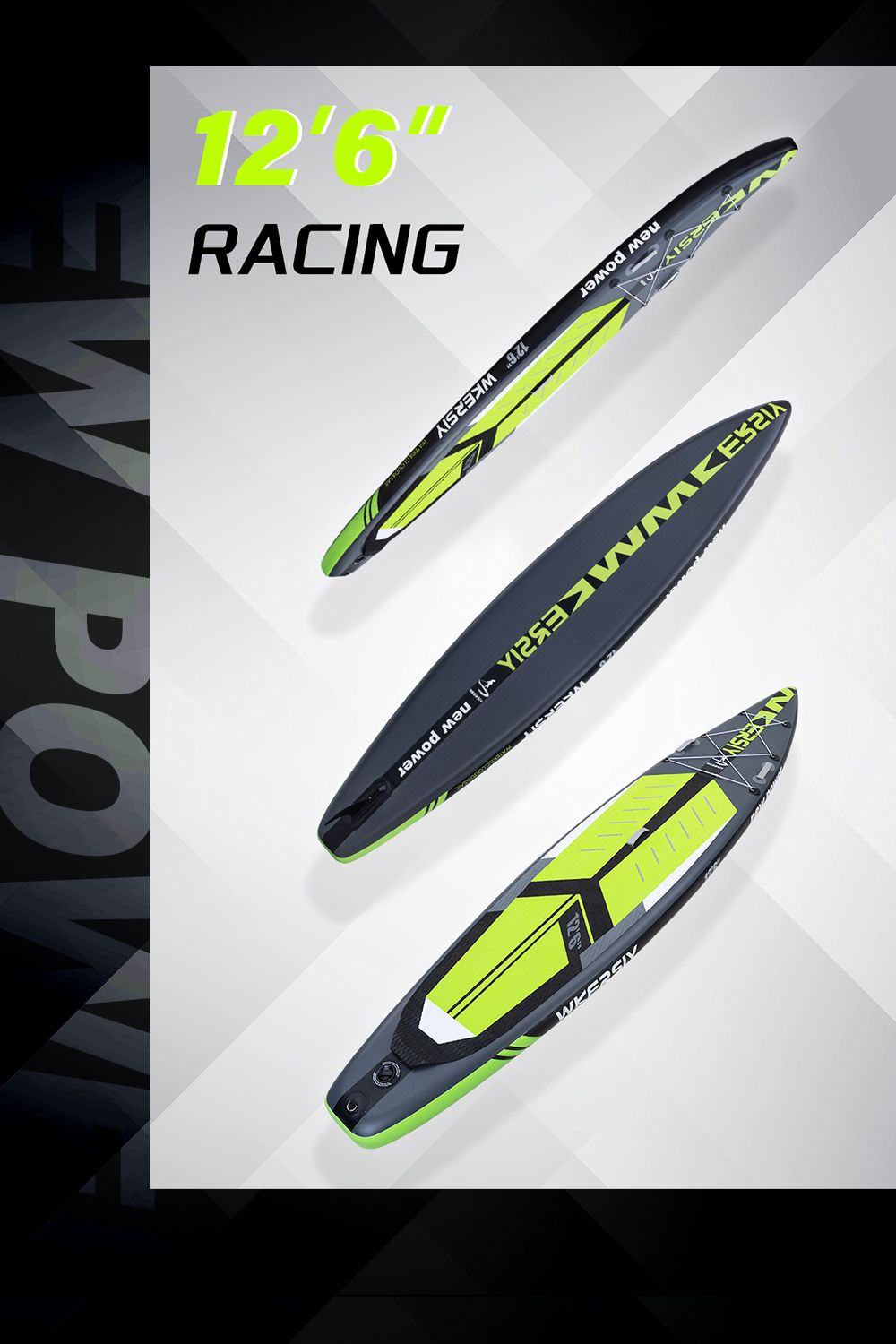
The "bridge" is the interface between your feet and the board. We engineered our Ergo-Lock™ deck to be anatomically optimized for force transmission. By canting the standing area, we allow the athlete to engage the posterior chain (glutes and hamstrings) more effectively. When you lock into this deck, your body’s kinetic energy flows from your core, down through your legs, and is locked into the board’s rail, preventing the typical "twist" that causes power leakage.
Section 2: Maximizing Mechanical Advantage
We analyze the "lever arm" of the paddler. By optimizing the stance width and the ergonomic pitch of the deck, we reduce the distance between the paddle’s entry point and the board’s center of gravity. This minimizes the torque your body must exert to keep the board stable, allowing you to dedicate 100% of your power to forward projection.
Optimize your output. Learn more about our kinetic-chain-focused deck engineering at RockerWave.com.