The Inflatable SUP Blacklist: Science-Backed Tips to Avoid Buying a "Wet Noodle" | Rockerwave
Don't Buy a "Wet Noodle": The Science of Avoiding the Worst Beginner SUPs
By a 20-year paddling veteran. Updated for the 2026 Season.
Let’s be honest: the internet is flooded with $200 "complete SUP packages" that look amazing in photos. But once you’re on the water, they bend like a banana, leak air at the seams, and ruin your weekend. Today, we are stripping back the marketing fluff to show you the science of what makes a board actually perform, and how to avoid the rookie traps that waste your hard-earned money.
Trap #1: The "Everything Included" Mirage
Most beginners are lured by bundles that include the board, a bag, a paddle, a leash, and a manual pump. Here is the secret: To keep that price low, manufacturers use the cheapest possible accessories. The manual pump is usually a single-action plastic toy that will leave you exhausted before you even launch.
The Reality: You are buying a high-maintenance headache. We recommend investing in a professional-grade board first, then using your savings to buy a dedicated 12V paddle board pump from a reputable local dealer.
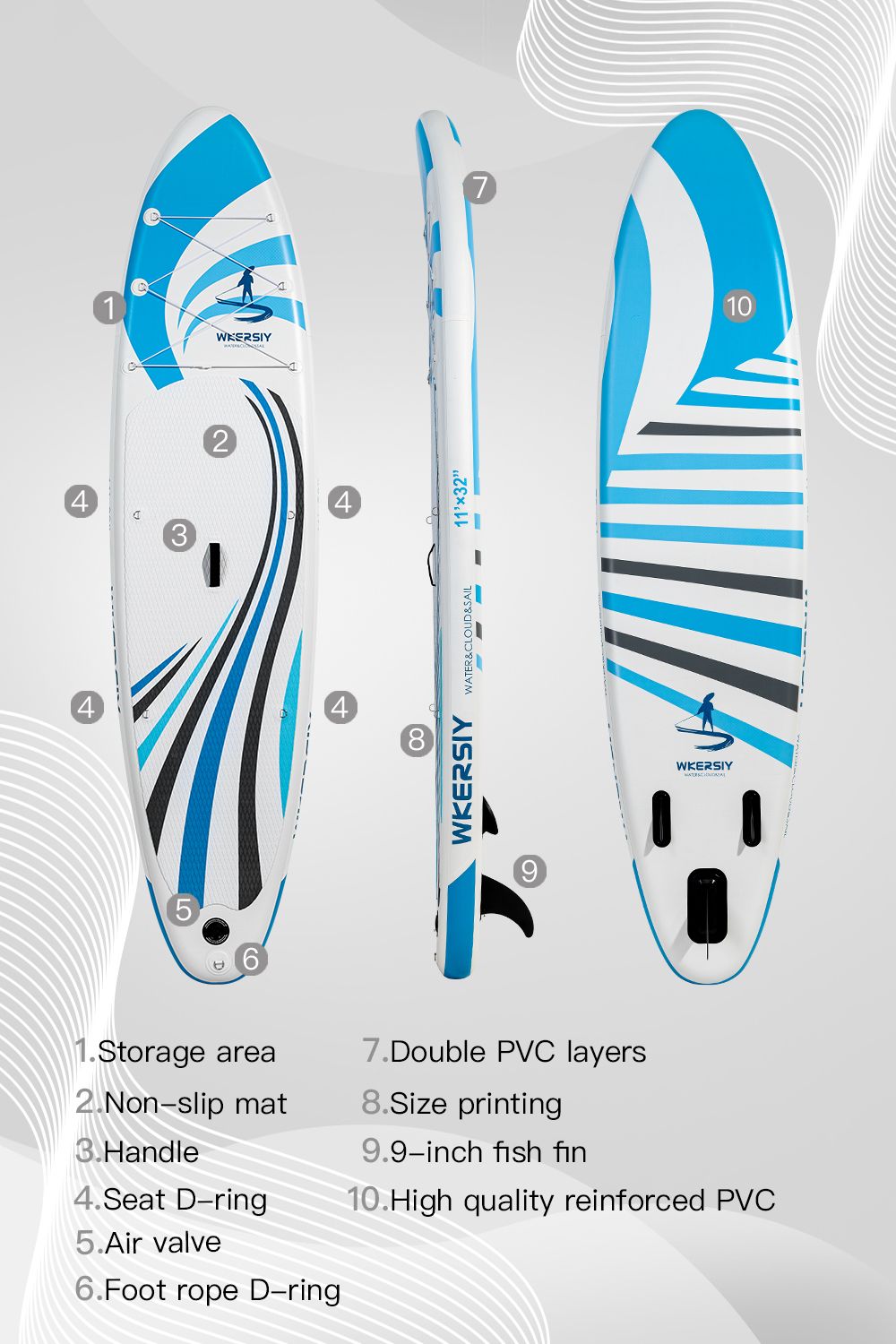
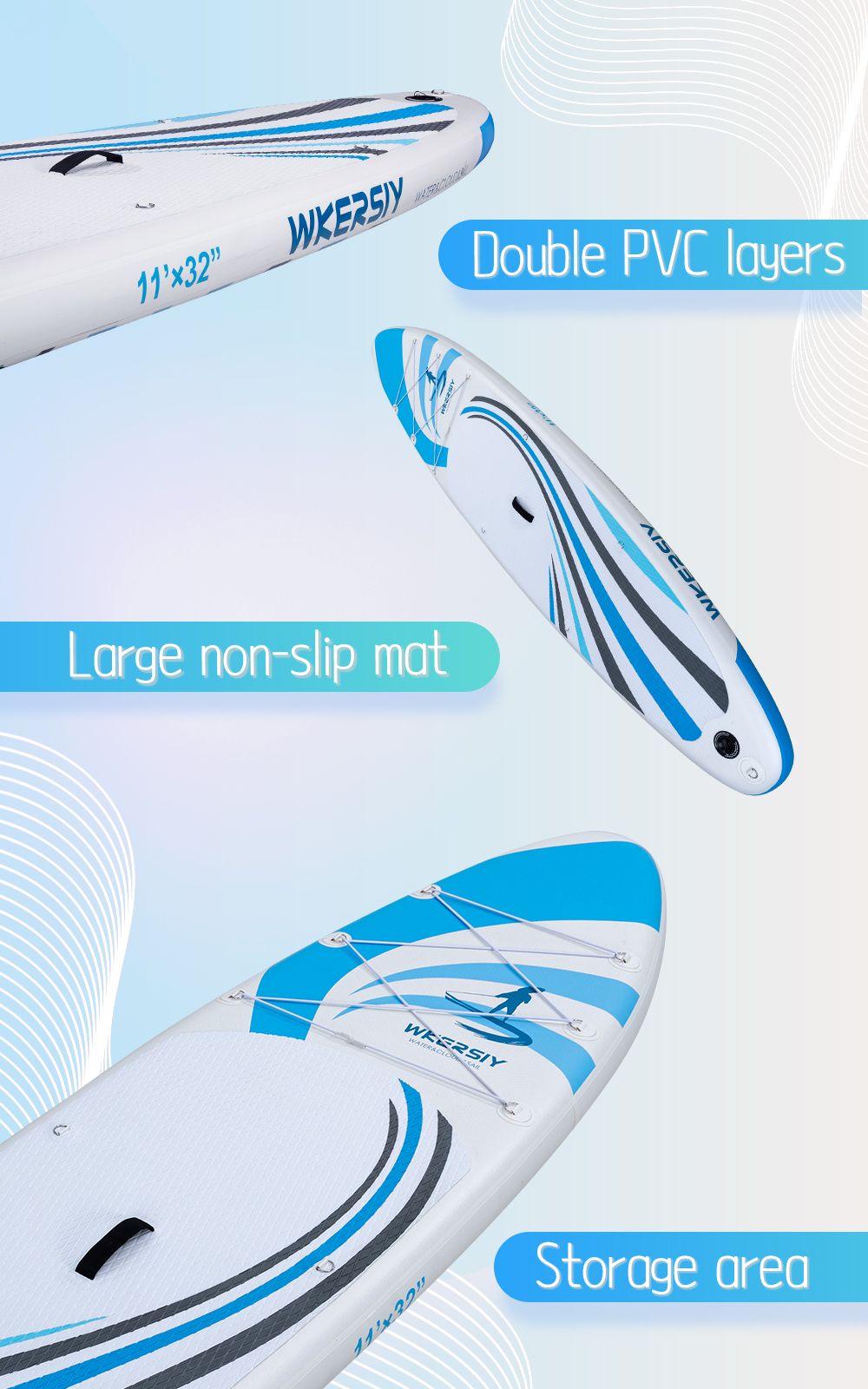
Trap #2: Single-Layer PVC vs. Fusion Tech
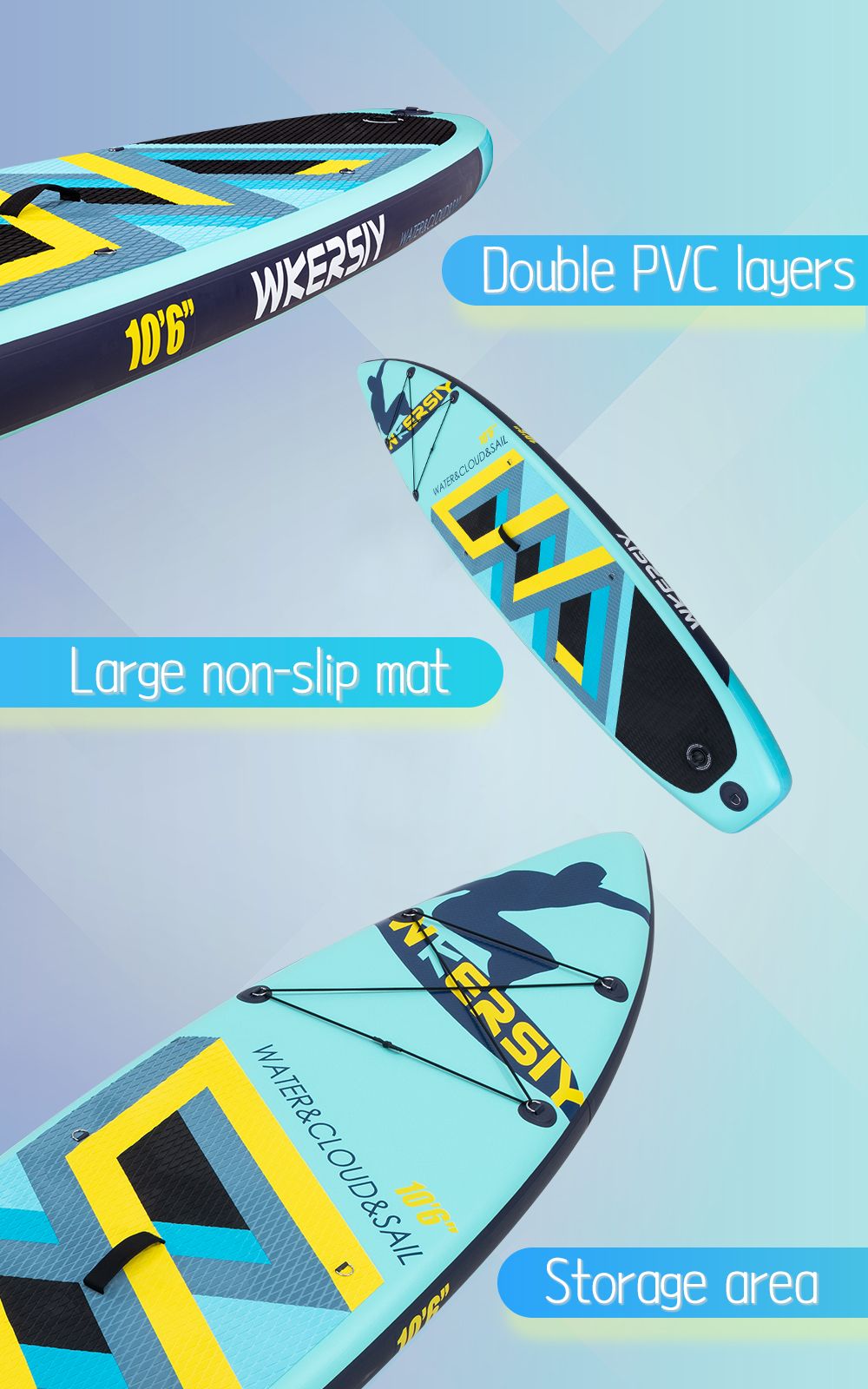
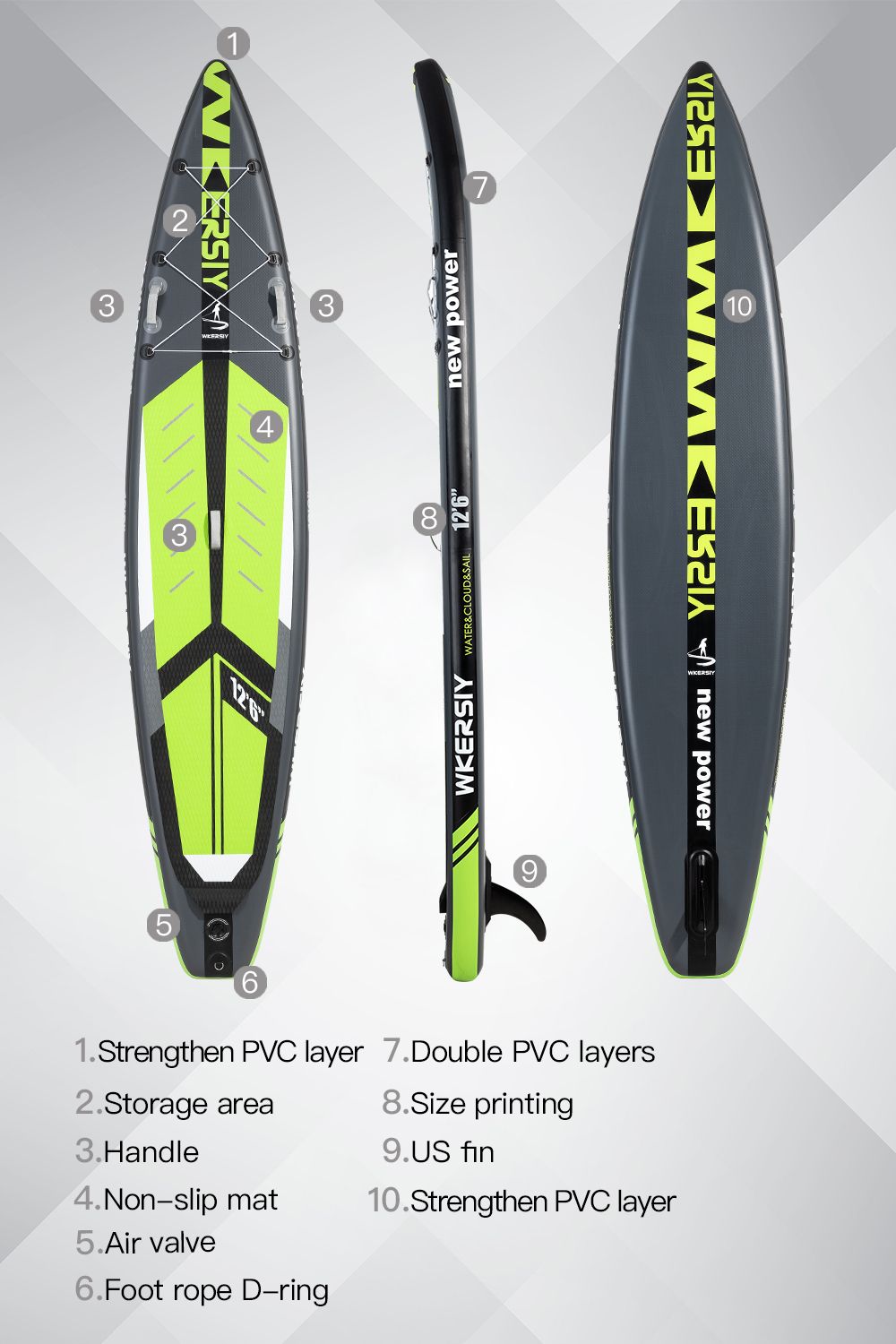
This is where the real isup vs sup performance gap happens. Cheap boards use a single layer of PVC. Under the heat of the Australian or Hawaiian sun, that single layer stretches and deforms.
The Science of Rigidity
Professional boards use Dual-Layer Fusion Technology. Instead of gluing layers together (which adds weight and risks bubbles), the second layer is thermally fused to the core. This allows the board to handle 18-20 PSI. Why does this matter? Because a board at 20 PSI is 30% more stable and 25% faster than a board capped at 12 PSI.
Trap #3: The "Banana Bend" (Rigidity Test)
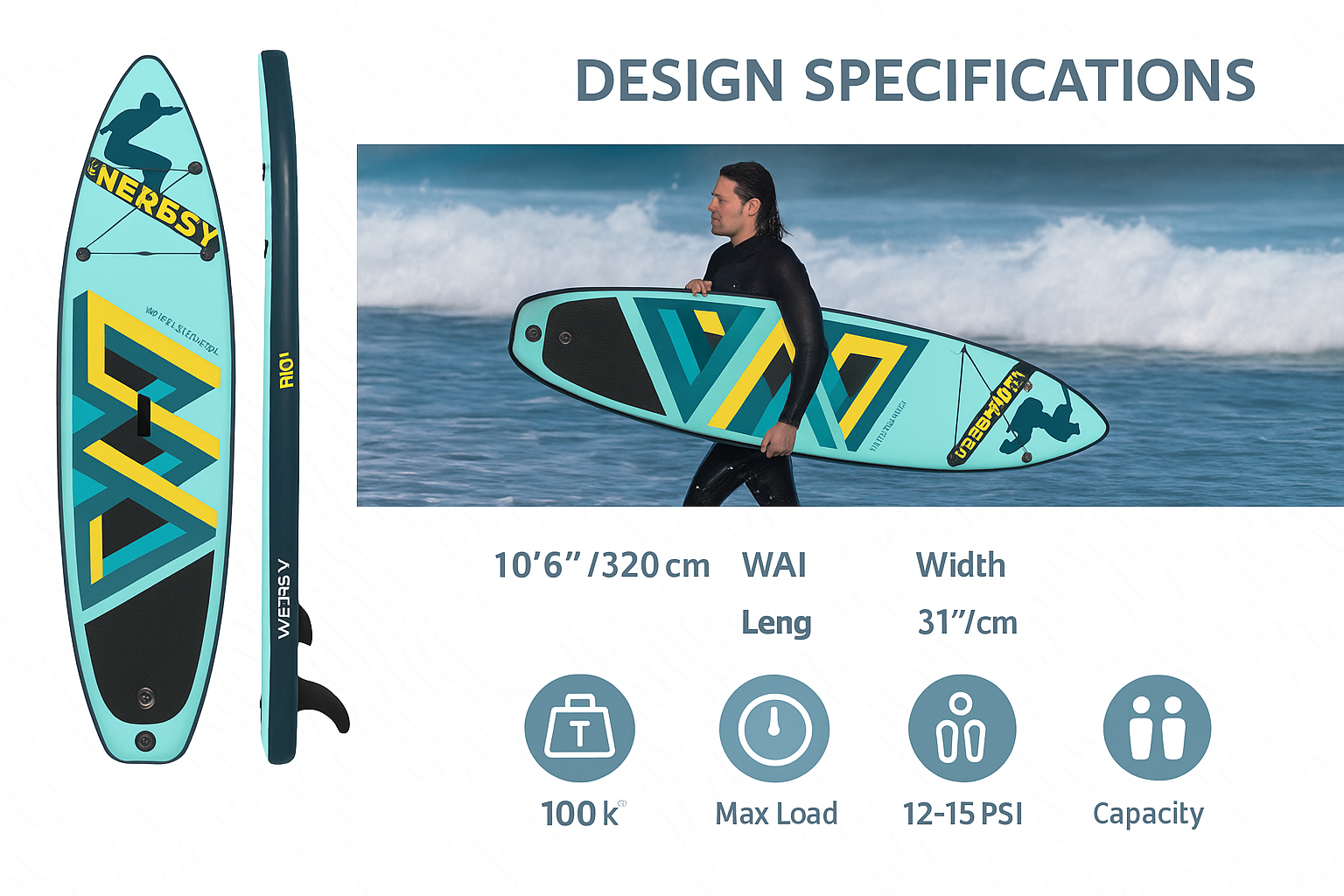
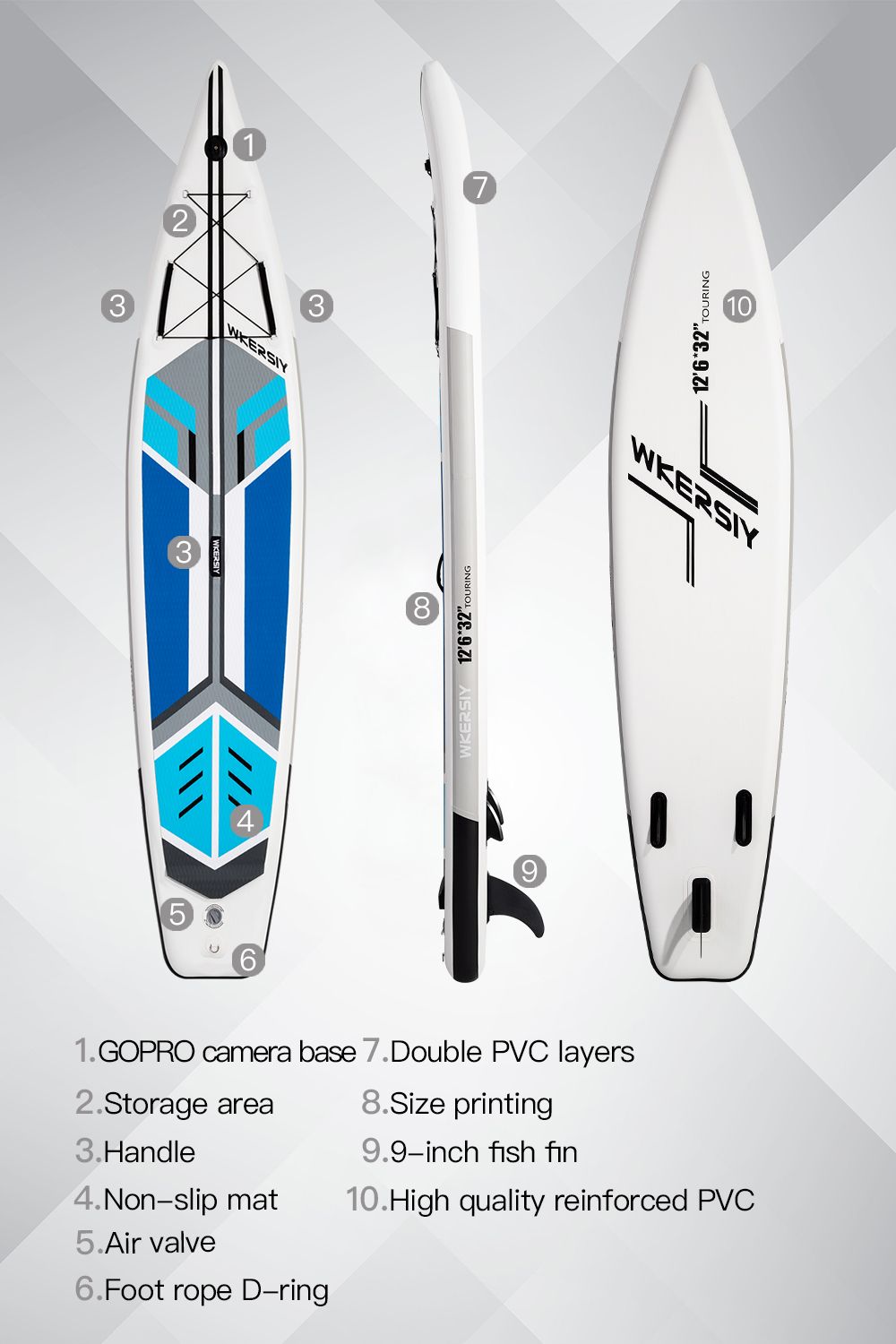
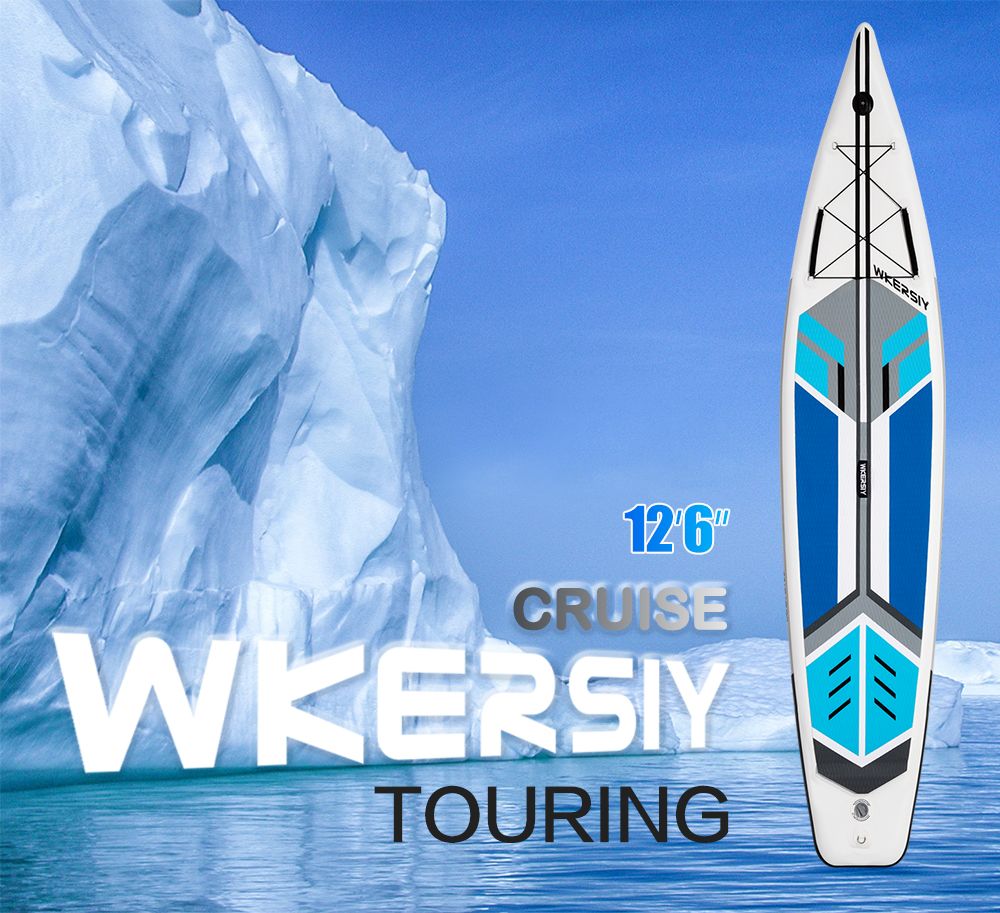
If you stand on a blow up sup and the nose and tail lift out of the water while the middle sinks—you’ve bought a "wet noodle." This happens because of low-density drop-stitch internal construction. A quality Touring SUP Board should remain perfectly flat even with a 100kg rider.
| Technical Feature | Budget "Toy" Boards | Rockerwave Pro Series |
|---|---|---|
| Internal Core | Linear Drop-Stitch (Sparse) | Cross-Drop-Stitch (Dense) |
| Max PSI | 12 - 14 PSI (Soft) | 18 - 20 PSI (Rock Solid) |
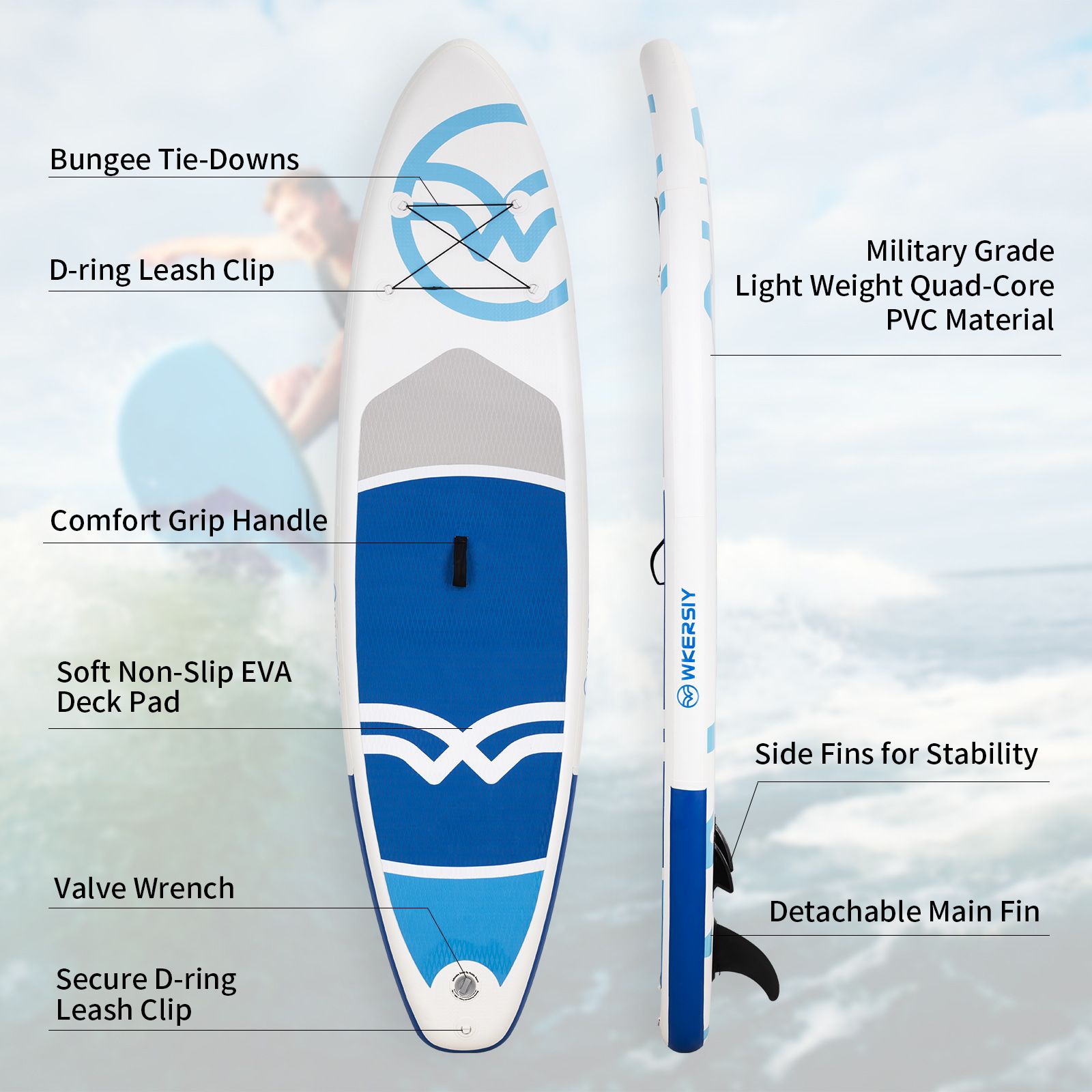
| Deck Pad | Smooth Foam (Slippery) | Crocodile Skin EVA (High Grip) |
| Sun Resistance | Fades & Delaminates | UV-Stabilized Fusion PVC |
How to Store Paddle Boards (Avoid Trap #4)
Even the best board won't last if you treat it poorly. Beginners often leave their boards inflated in hot cars. Science alert: Air expands when hot. An 18 PSI board can hit 25 PSI in a hot car, causing a seam to pop. Always use a paddle board wall rack in a cool area and rinse off the salt after every session.