The High-Pressure Truth: Why 20 PSI Defines SUP Performance | Rockerwave
The High-Pressure Truth: Why PSI is the Secret to Speed and Stability
In the debate of isup vs sup, the biggest criticism of inflatables has always been "flex." Cheap boards bend in the middle like a banana, which creates massive drag and ruins stability. The solution? High-pressure engineering.
The Science of Drop-Stitch Technology
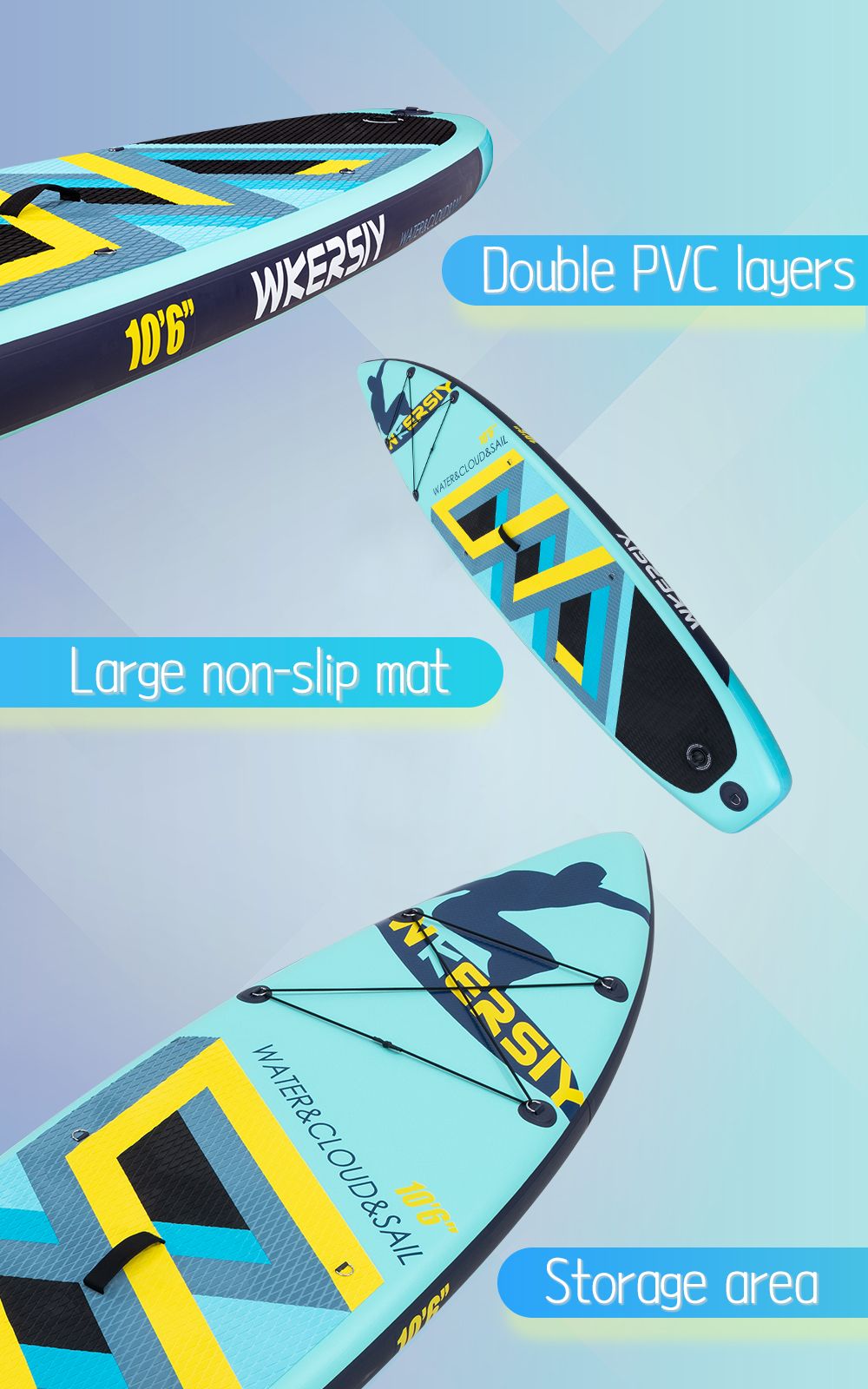
Underneath the skin of a blow up sup are thousands of polyester threads connecting the top and bottom layers. This is "Drop-Stitch." However, not all drop-stitch is created equal:
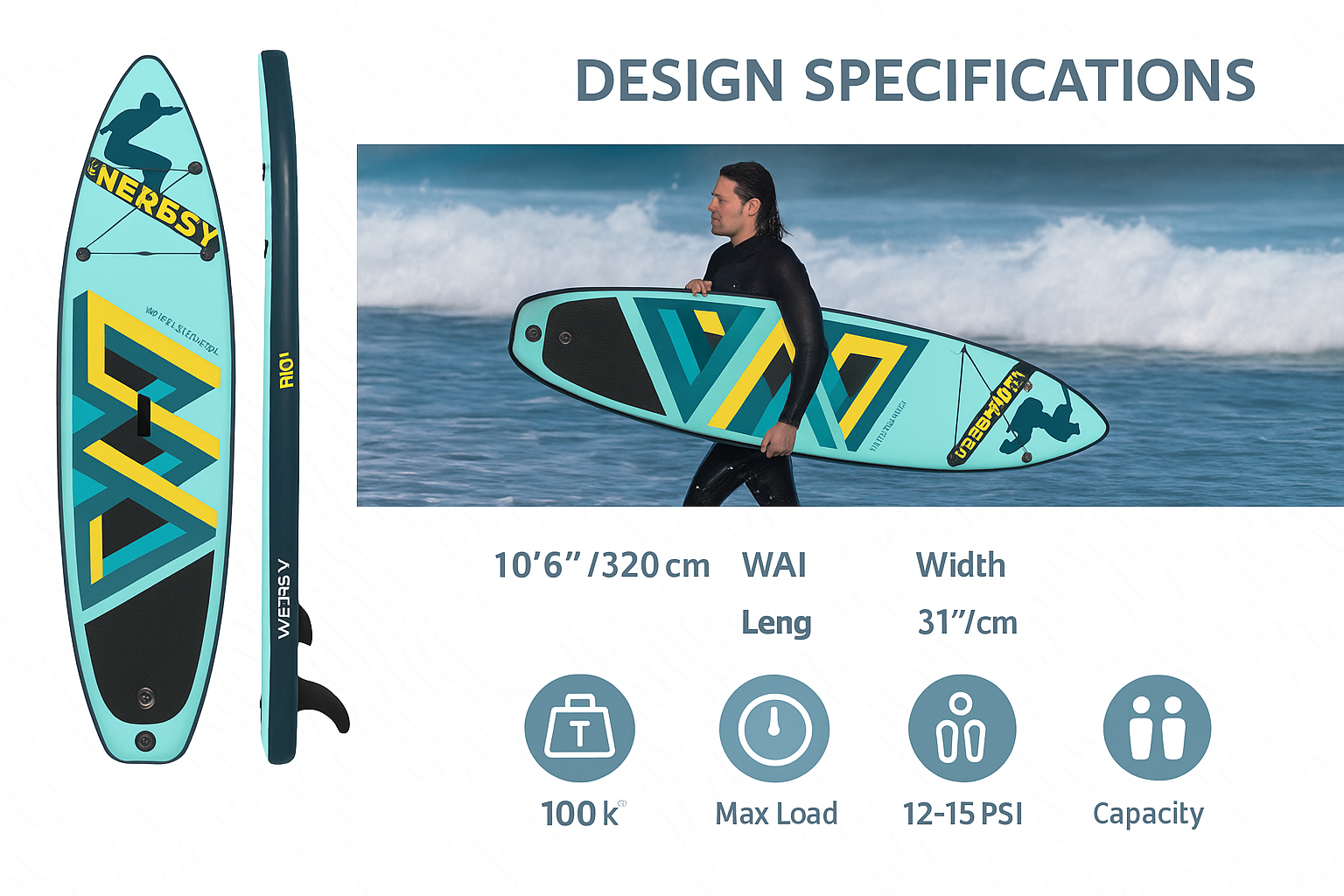
- Budget Boards: Use linear, low-density threads and single-layer PVC. They struggle to hold 12-15 PSI without deforming or risking a seam burst.
- Rockerwave Professional: We use Cross-Drop-Stitch technology paired with Fusion Dual Layer PVC. This reinforced internal matrix allows our boards to safely reach 18-20 PSI.
Why 20 PSI Changes Everything
At 20 PSI, an inflatable board achieves a level of rigidity that mimics a hard fiberglass board. This eliminates "oil-canning" (the bouncing effect when you paddle). On a Touring SUP Board or a Race SUP, this rigidity translates directly into glide efficiency—meaning every stroke takes you further.
Performance Comparison
| Feature | Cheap "Toy" Boards (12 PSI) | Rockerwave Pro (20 PSI) |
|---|---|---|
| Flexing | Significant "Banana" bend | Ultra-rigid performance |
| Tracking | Wanders off course | Straight, efficient lines |
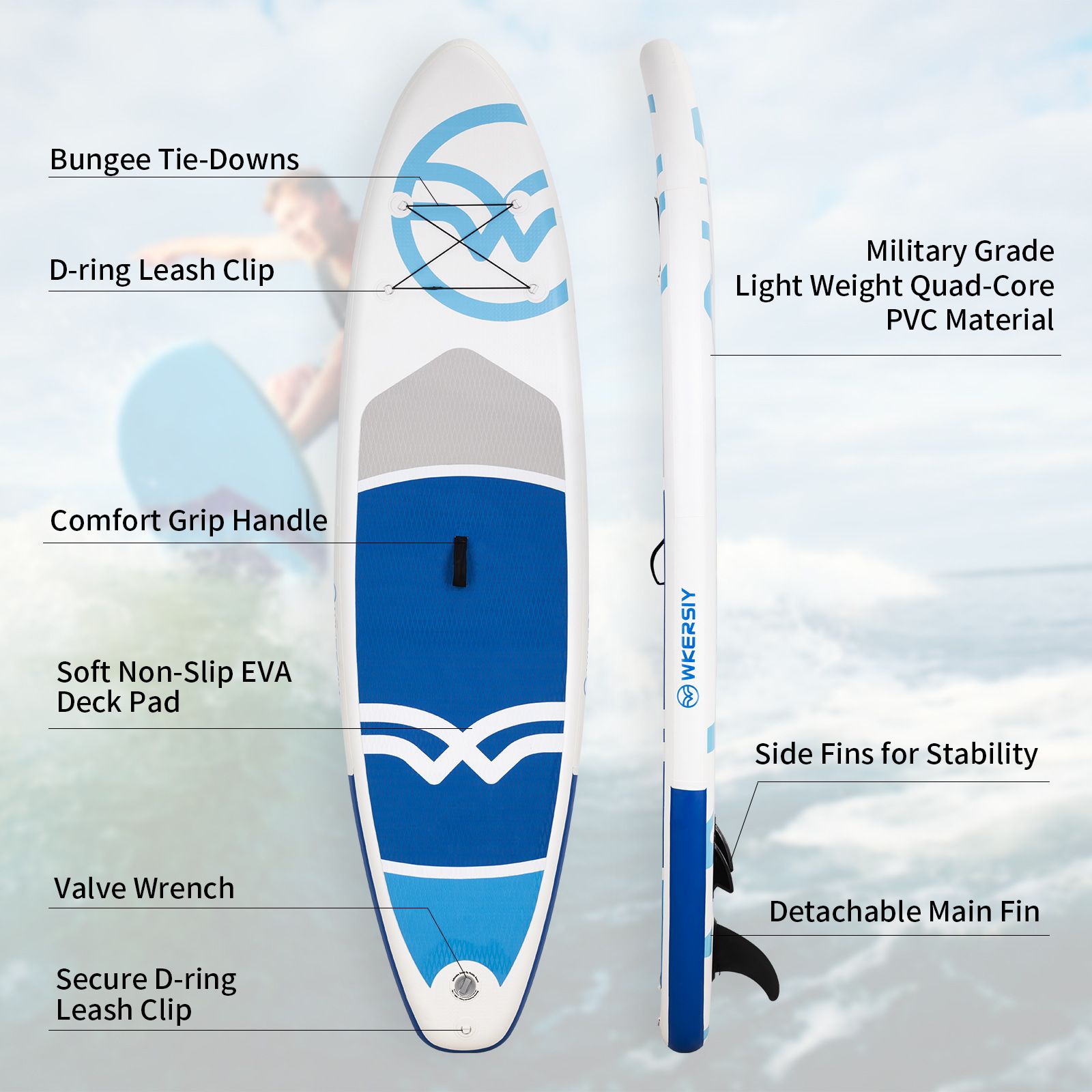
| Durability | Risk of seam failure | Military-grade fusion seams |
Invest in Rigidity, Not Gimmicks
Don't be fooled by flashy colors on a soft board. Performance comes from the inside. Use code BYOP60 to get a high-pressure professional paddle board at 40% OFF. Use your 12V paddle board pump to hit that 18 PSI mark and experience what a real SUP feels like.
Title: Why PSI Matters: High-Pressure ISUP Rigidity Explained
Description: Learn the difference between cheap inflatables and high-pressure pro boards. Why 20 PSI is the key to SUP speed and stability.
URL: why-psi-matters-for-paddle-board-performance