The "Hard-to-Soft" Rail Transition — Mastering Ocean Dynamics
The "Hard-to-Soft" Rail Transition: Mastering Ocean Dynamics
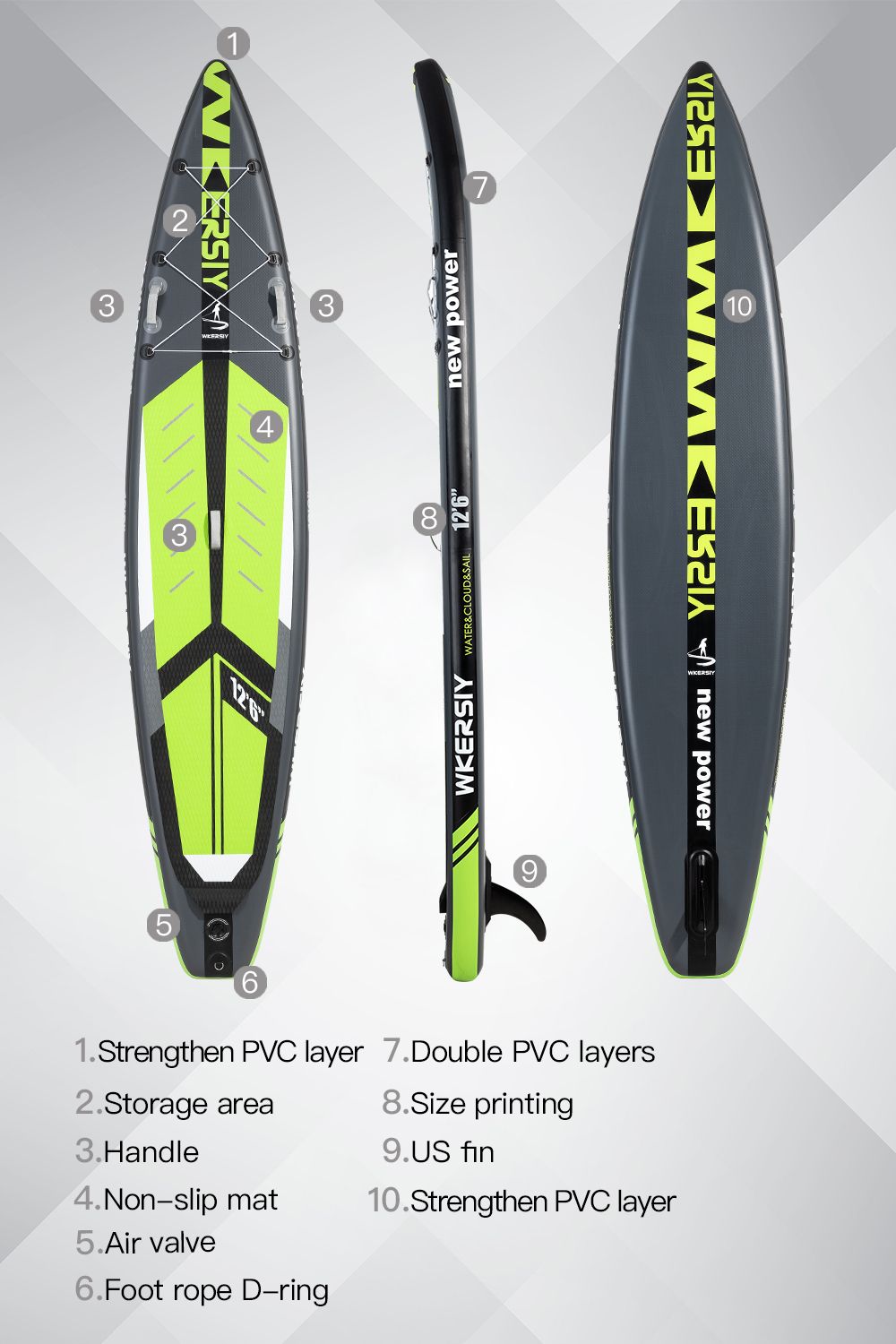
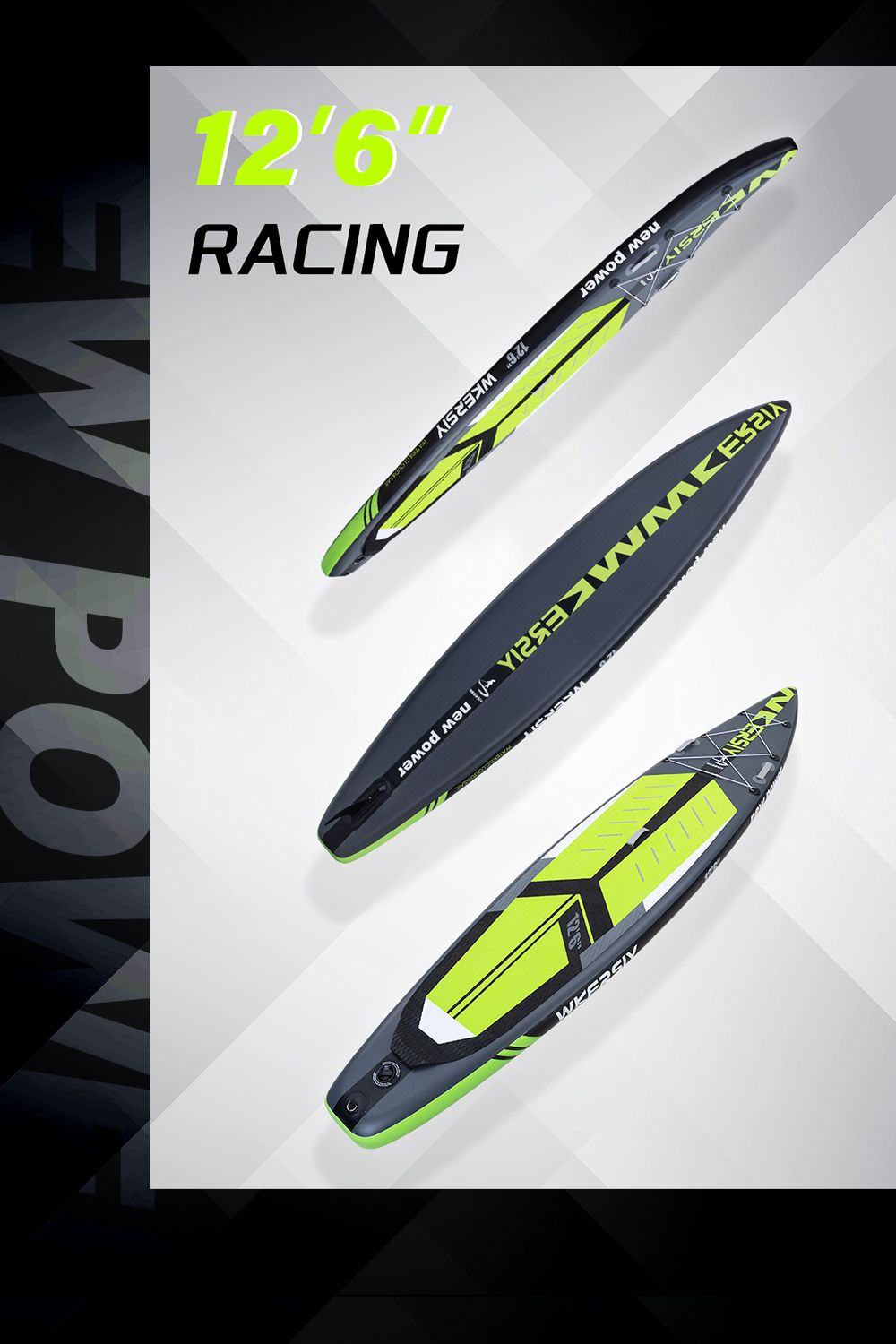
The most common failure point for high-performance race boards in open ocean conditions is the rail. If your rail is too sharp, a cross-chop will grab it and throw you off. If it’s too round, you lose the tracking precision needed to win.
1. The Rail Catch Hazard
Mainstream race brands often use a consistent rail shape from nose to tail. In calm water, this is fine. But the moment a side-wave hits the mid-section, the sharp edge "bites," causing the board to bank uncontrollably. You spend more time stabilizing than you do paddling.
2. The Tri-Sectional Rail™ Strategy
RockerWave’s Tri-Sectional Rail™ engineering uses a variable profile.
- Nose Zone: Soft, volumetric chamfer that deflects water—preventing "nose-catching" in side-waves.
- Mid-Zone: Progressive Hard-Chine Apex that provides secondary buoyancy when you lean, locking your stance.
- Tail Zone: 90-degree razor-edge for pure, frictionless release.
3. Adaptable Intelligence
This design allows the board to "read" the water. When the ocean is messy, the soft nose keeps you stable; when you need to sprint, the sharp tail keeps you fast. It is an automated performance system, not just a shape.