The Geometry of Turning: Mastering the Buoy-Turn
A buoy turn is not just a change of direction; it is a high-stakes moment of deceleration and re-acceleration. In a technical course, a 2-second loss at every buoy adds up to a massive deficit by the finish line. Most paddlers "skid" through their turns, throwing their center of gravity off-balance and killing their momentum. A true master understands the geometry of turning—the precise coordination of rail engagement, weight transfer, and hydrodynamic release.
Section 1: The Rail-Engagement Principle
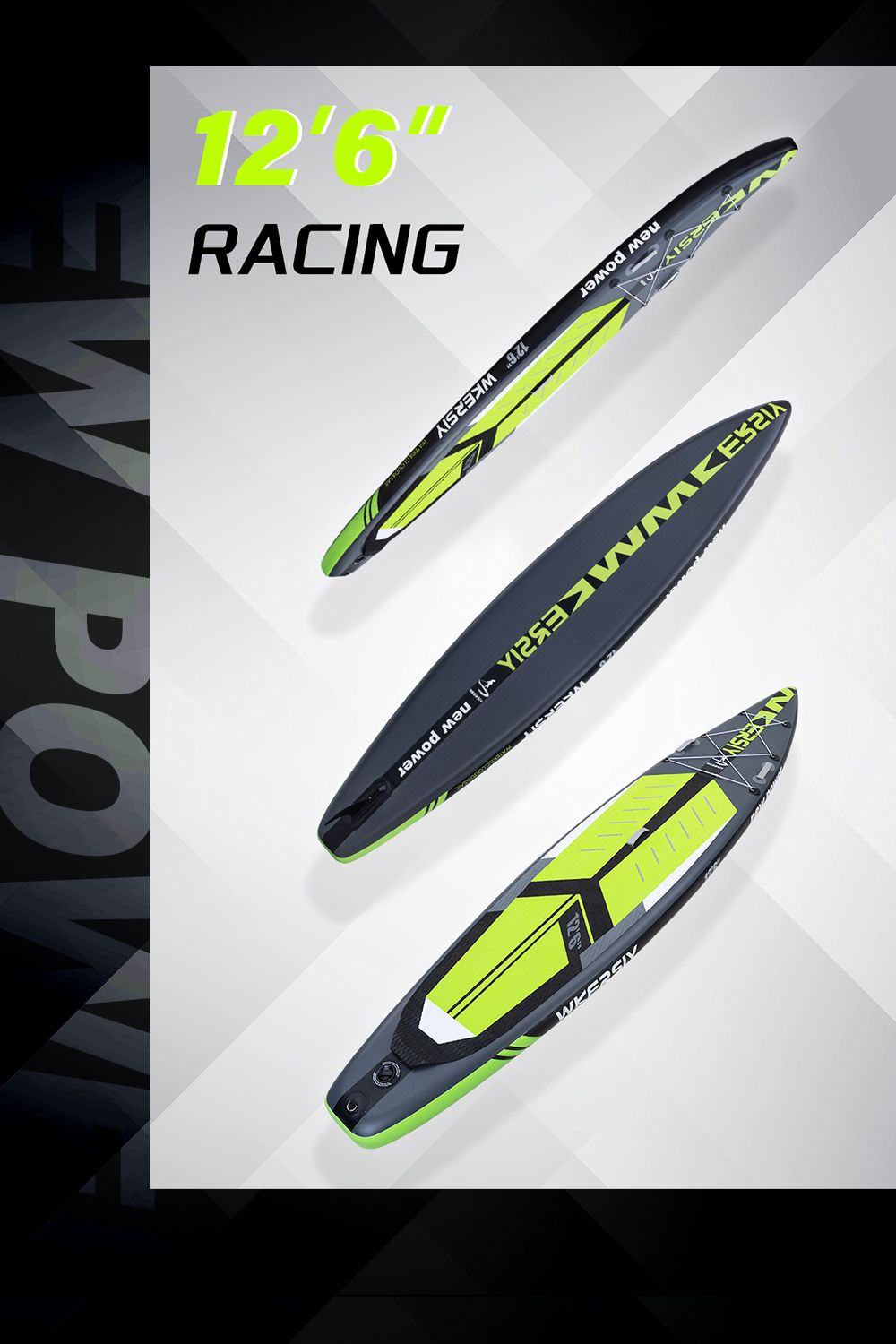
A racing SUP is not a surf-style board. You cannot simply stomp on the tail. To initiate a tight turn, you must engage the rail’s secondary bevel. RockerWave’s Master Series hulls feature a "Variable-Radius Rail" that allows for a predictable, progressive bite when you shift your weight back. As you step, the hull doesn't just turn; it arcs. This creates a high-pressure zone under the rail that acts as a pivot, allowing the board to rotate around its center of gravity rather than skidding.
Section 2: The Release
The second phase of the turn is the release. If your rail is too rounded, the board stays "glued" to the water after the turn, making it sluggish to accelerate. If it is too sharp, it is twitchy. Our hulls incorporate a "Hydrodynamic Release Edge" at the tail. This edge breaks the water’s surface tension at the precise moment you finish your turn, snapping the board back to a flat-water glide instantaneously.
Turn faster. Discover the geometry of our buoy-optimized hulls at RockerWave.com.