The Deep Roots of SUP: From Ancient Kings to Modern Horizons | Rockerwave
I’ve spent 20 years on the water, but I’m just a blink in the eye of SUP history. To understand why we love this sport today, we have to look back. It’s not just about standing on a board; it’s about a perspective that humans have craved for millennia—the ability to walk on water.
Ancient Origins: More Than Just a Sport
While many think SUP started in Waikiki, its DNA goes back much further. In Peru, over 3,000 years ago, fishermen used "Caballitos de Totora" (little reed horses). They stood on these woven crafts and used a long bamboo pole to navigate the surf. They weren't looking for a best paddle board for beginners; they were looking for dinner.
Across the ocean in Israel and parts of Africa, similar standing vessels were used for stealthy movement through marshes. However, the modern soul of the sport was born in Polynesia. In Hawaii, the "Ku Hoe He’e Nalu" was a way for village chiefs to demonstrate strength and survey the reefs from a higher vantage point.
The Modern Explosion: From Waikiki to Your Garage
In the 1940s, the legendary "Beachboys" of Waikiki—like Duke Kahanamoku—started standing on their massive longboards with outrigger paddles to take photos of tourists learning to surf. This gave them a clear view of incoming swells.
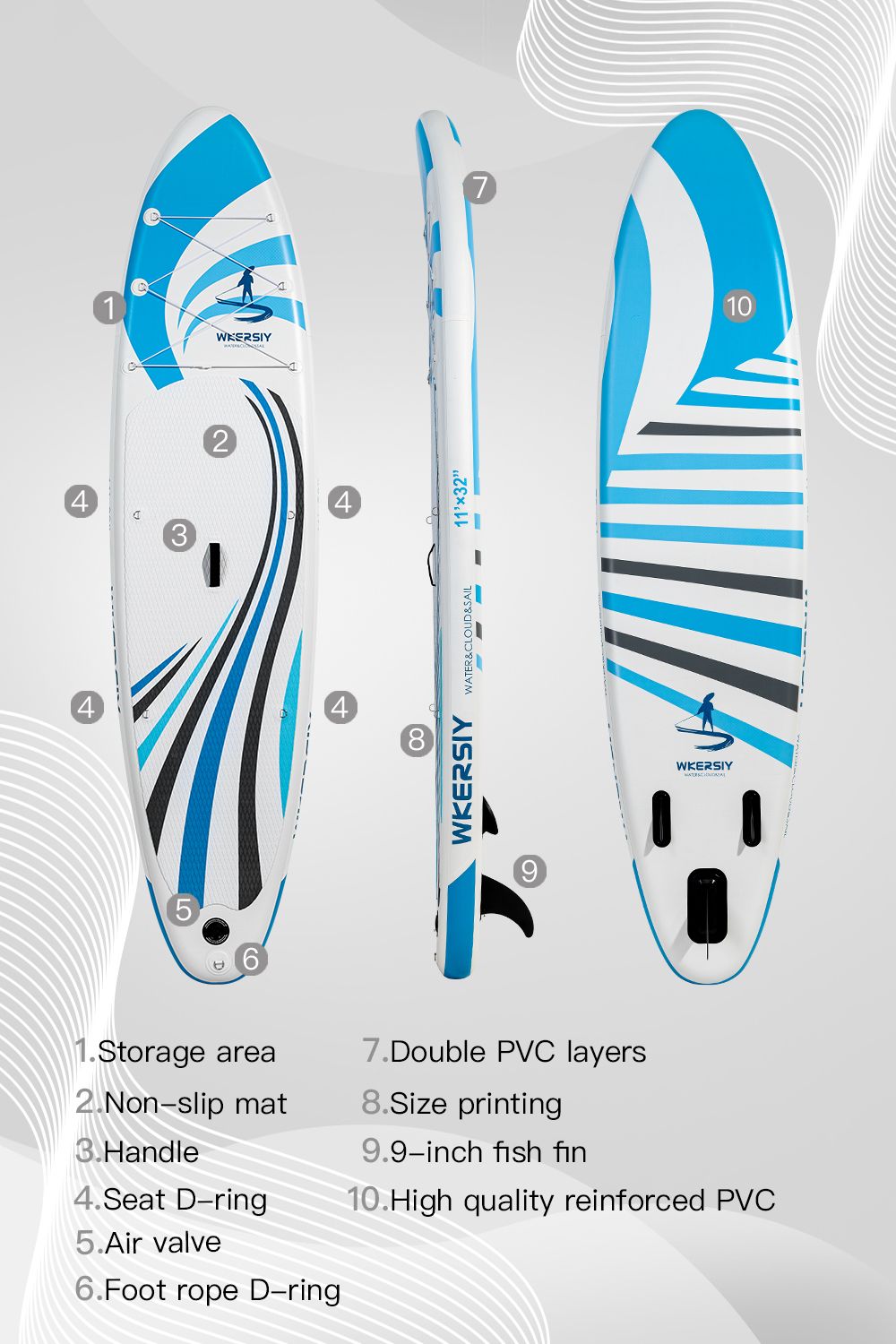
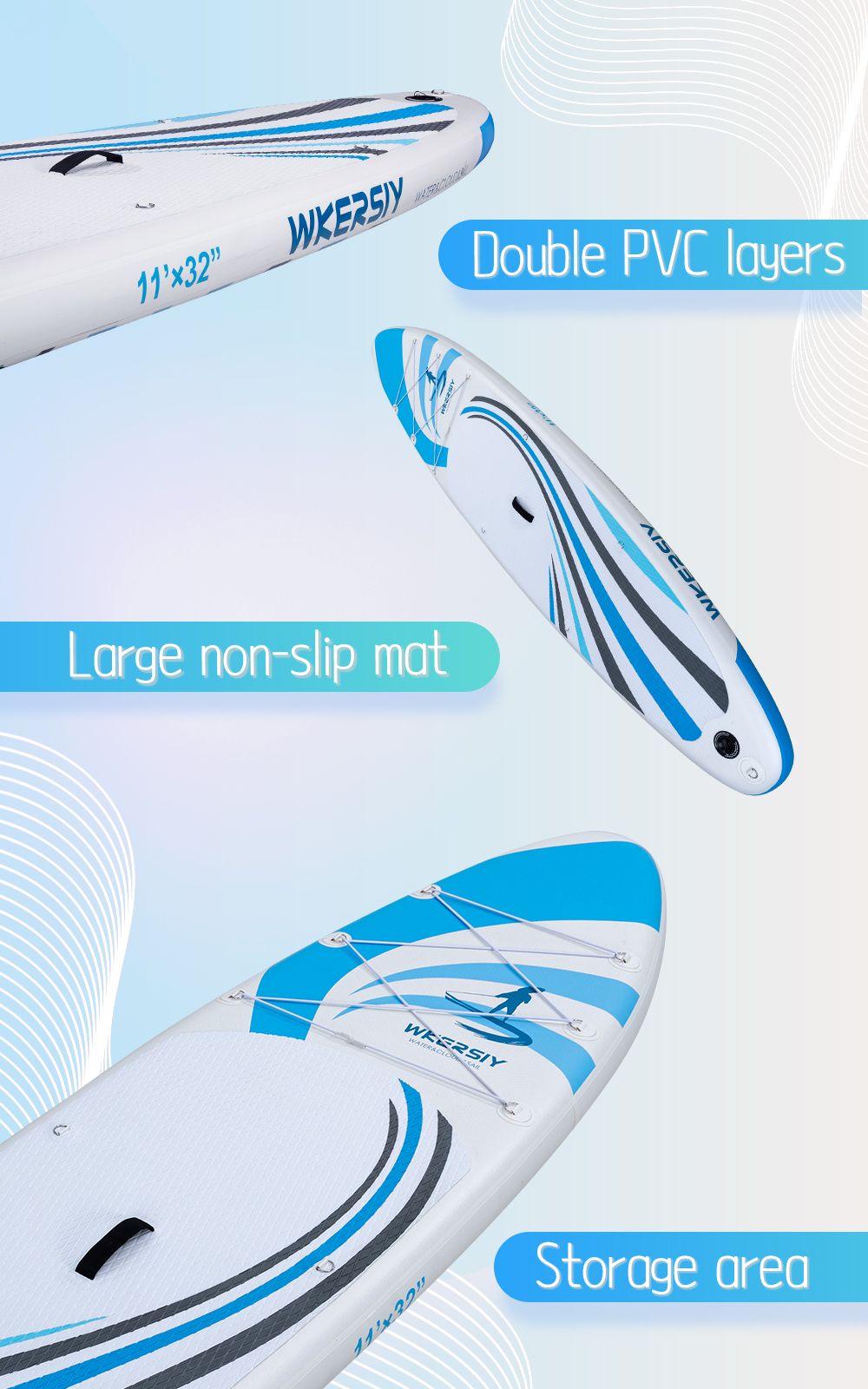
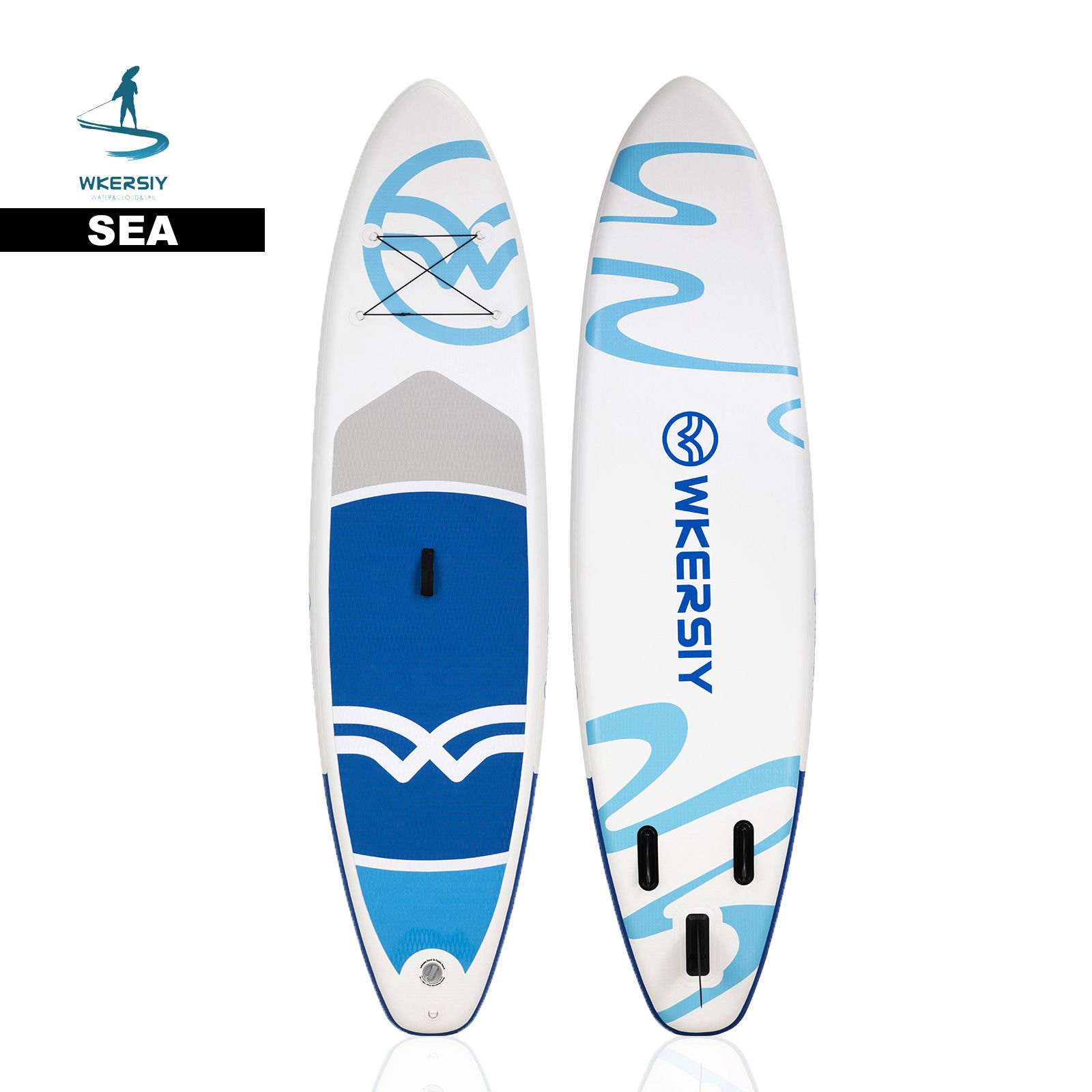
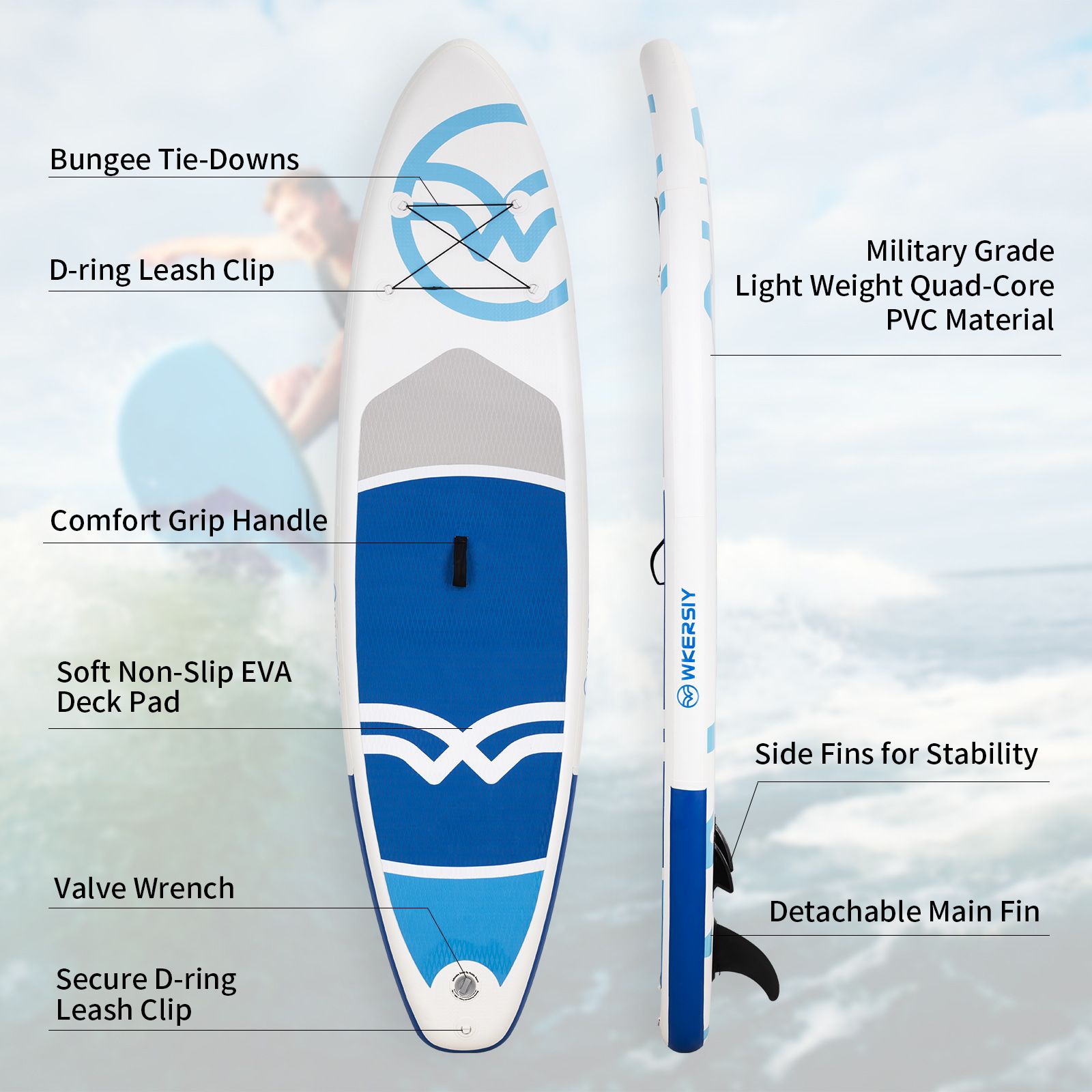
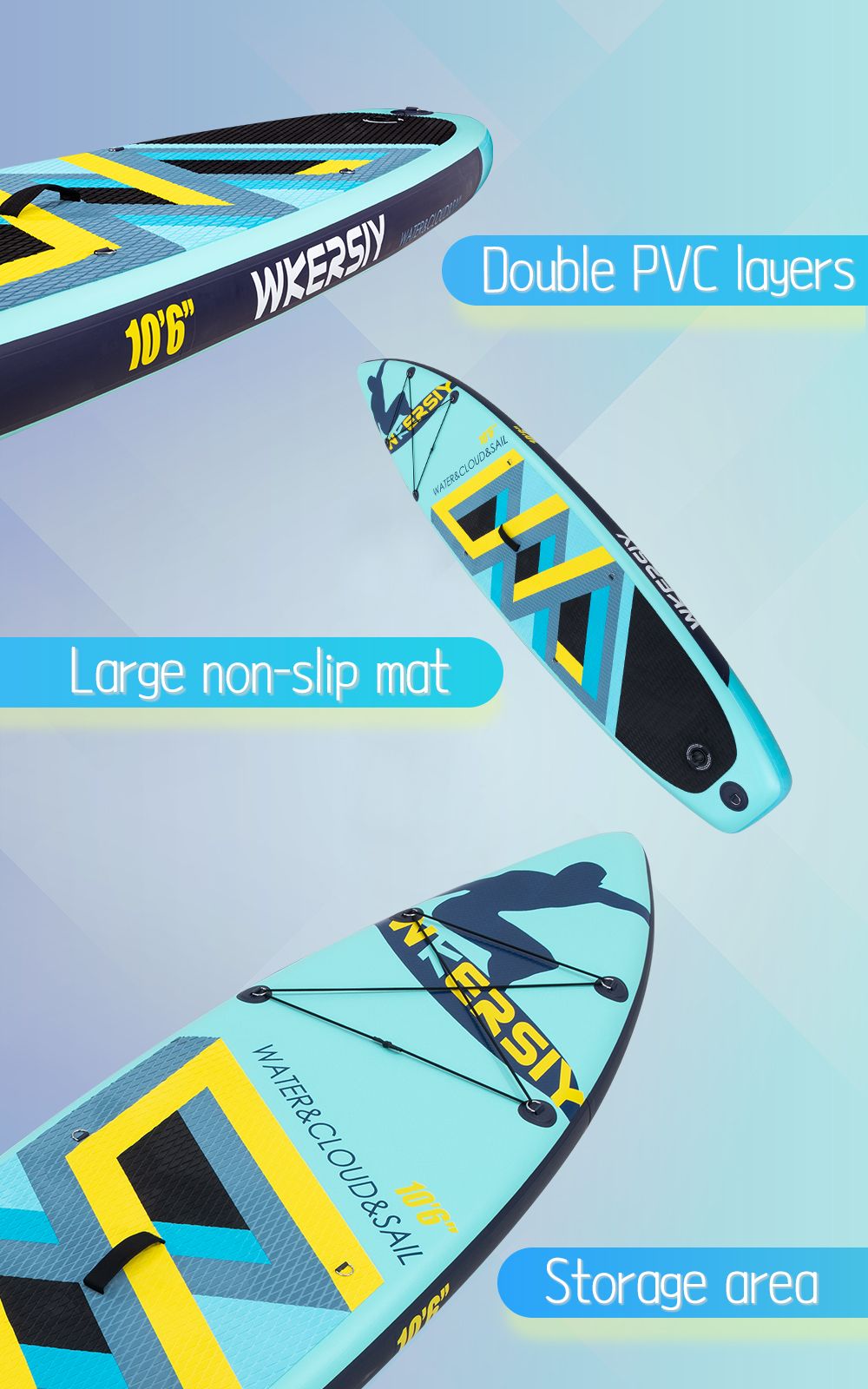
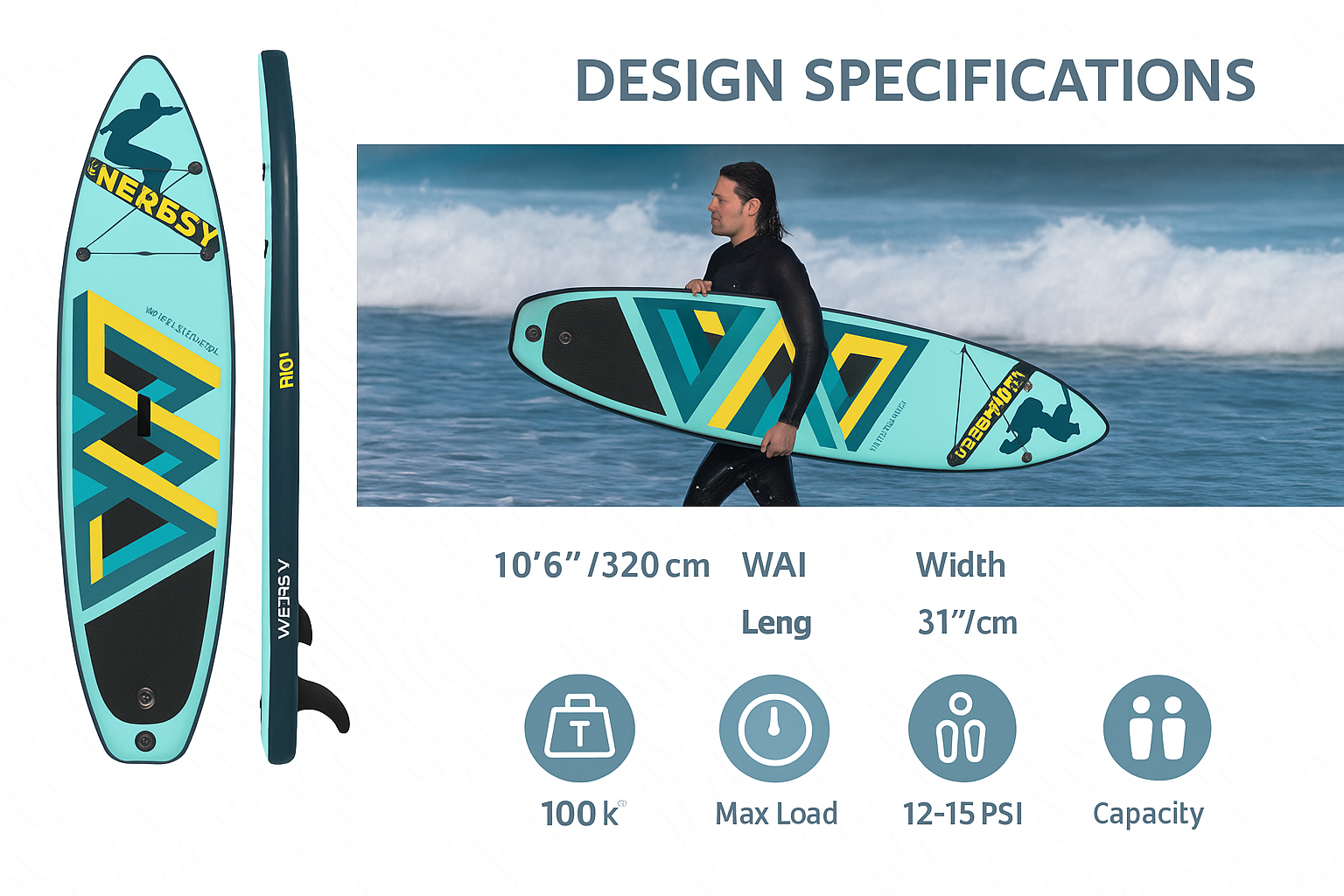
The real shift happened when technology met tradition. The transition from heavy wooden planks to the isup vs sup era changed everything. Suddenly, you didn't need a massive truck or a specialized paddle board storage facility. The invention of the blow up sup made the ocean accessible to someone living in a city apartment in Sydney or Auckland.
How SUP Changed the Way We Live
The impact of paddleboarding on modern society is massive. It’s no longer just a "surf" thing. It has redefined three major areas of our lives:
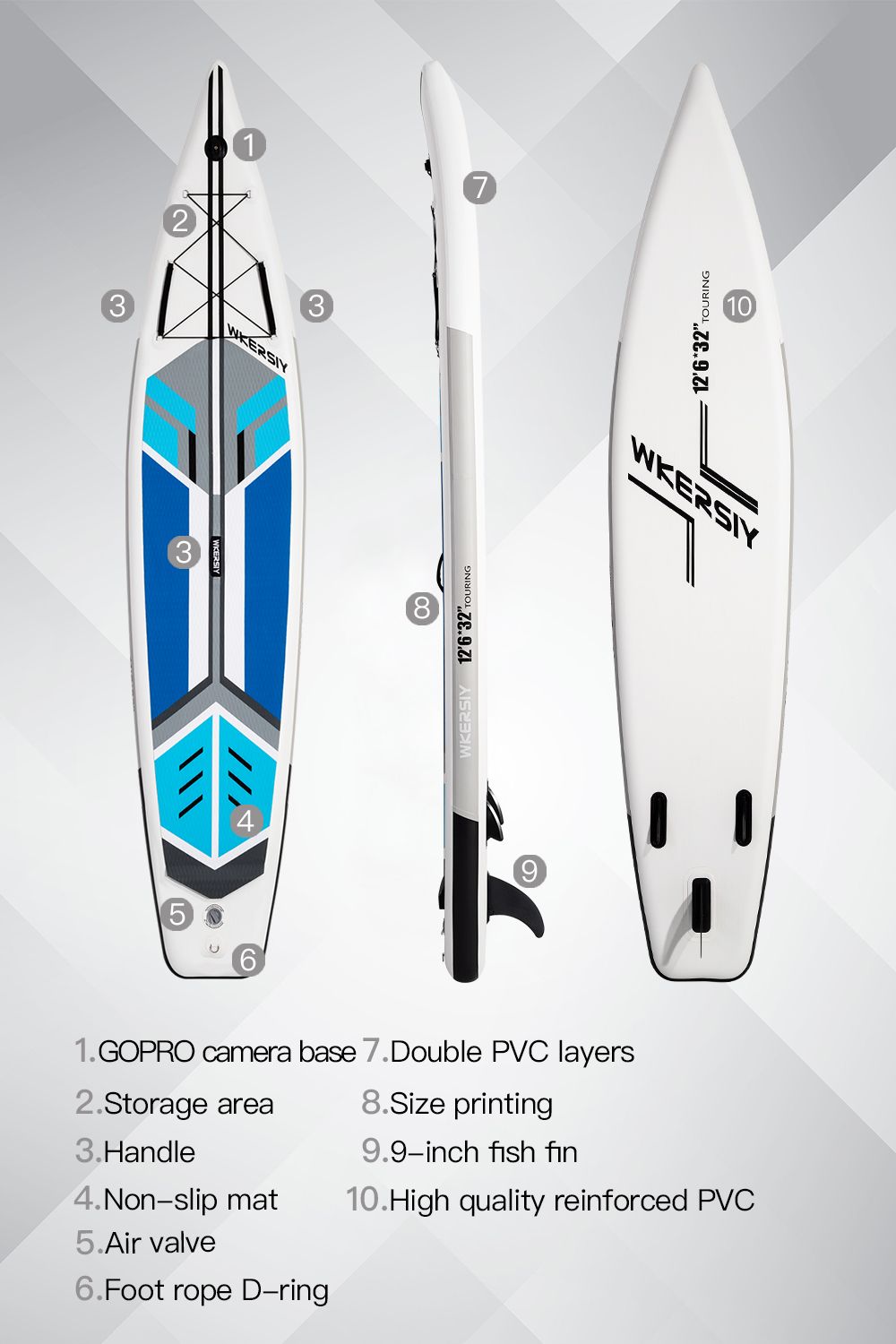
- Physical Health: It is the ultimate core workout. Whether you are using a Touring Paddle Board for miles or a stable yoga paddle board for balance, it engages muscles you didn't know you had.
- Mental Clarity: In a world of screens, SUP offers a "blue mind" escape. It’s a moving meditation.
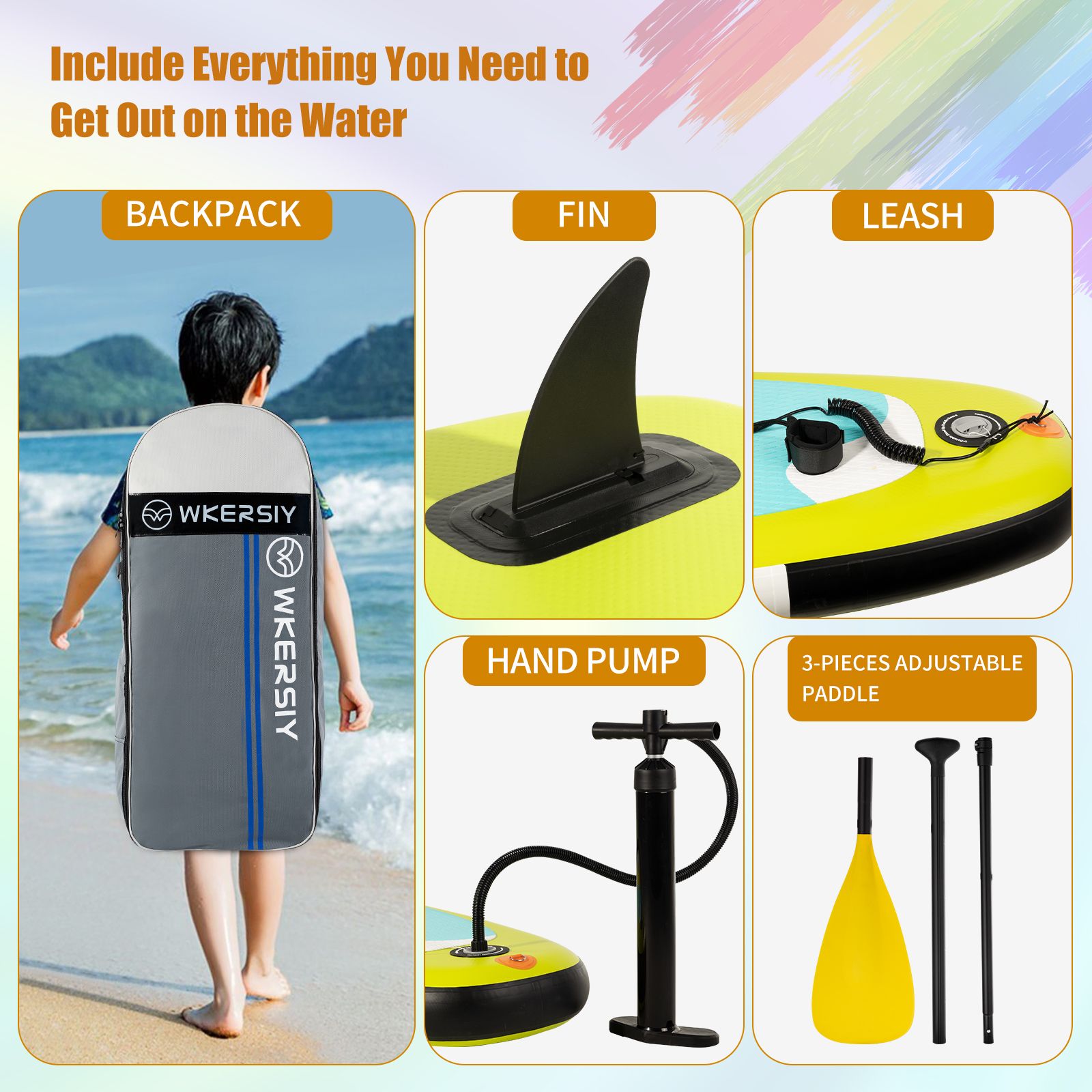
- Accessibility: With the rise of the 12V paddle board pump, the barrier to entry disappeared. You can pump up paddle board in ten minutes and be on the water before the coffee in your thermos gets cold.
The Evolution of the Gear
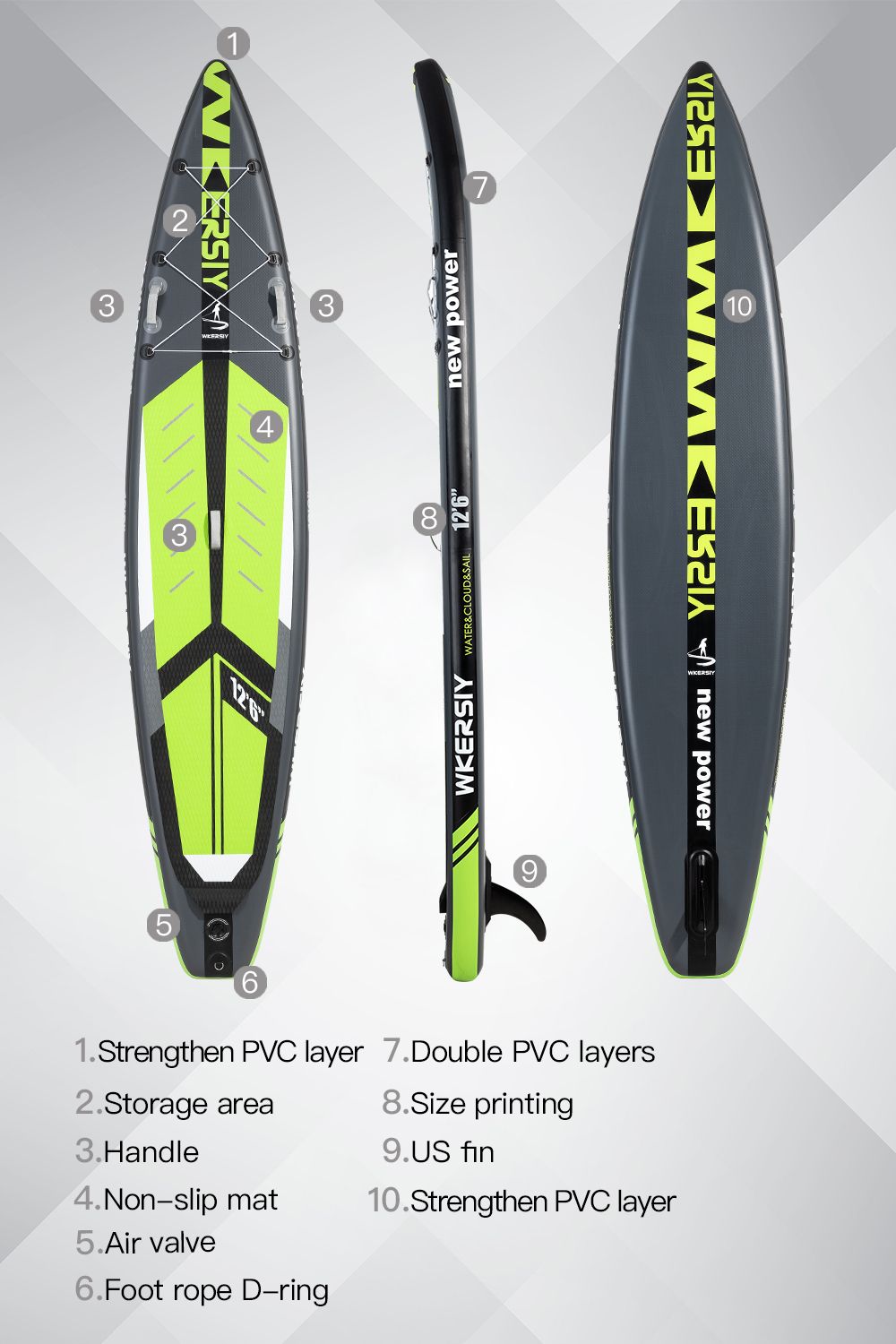
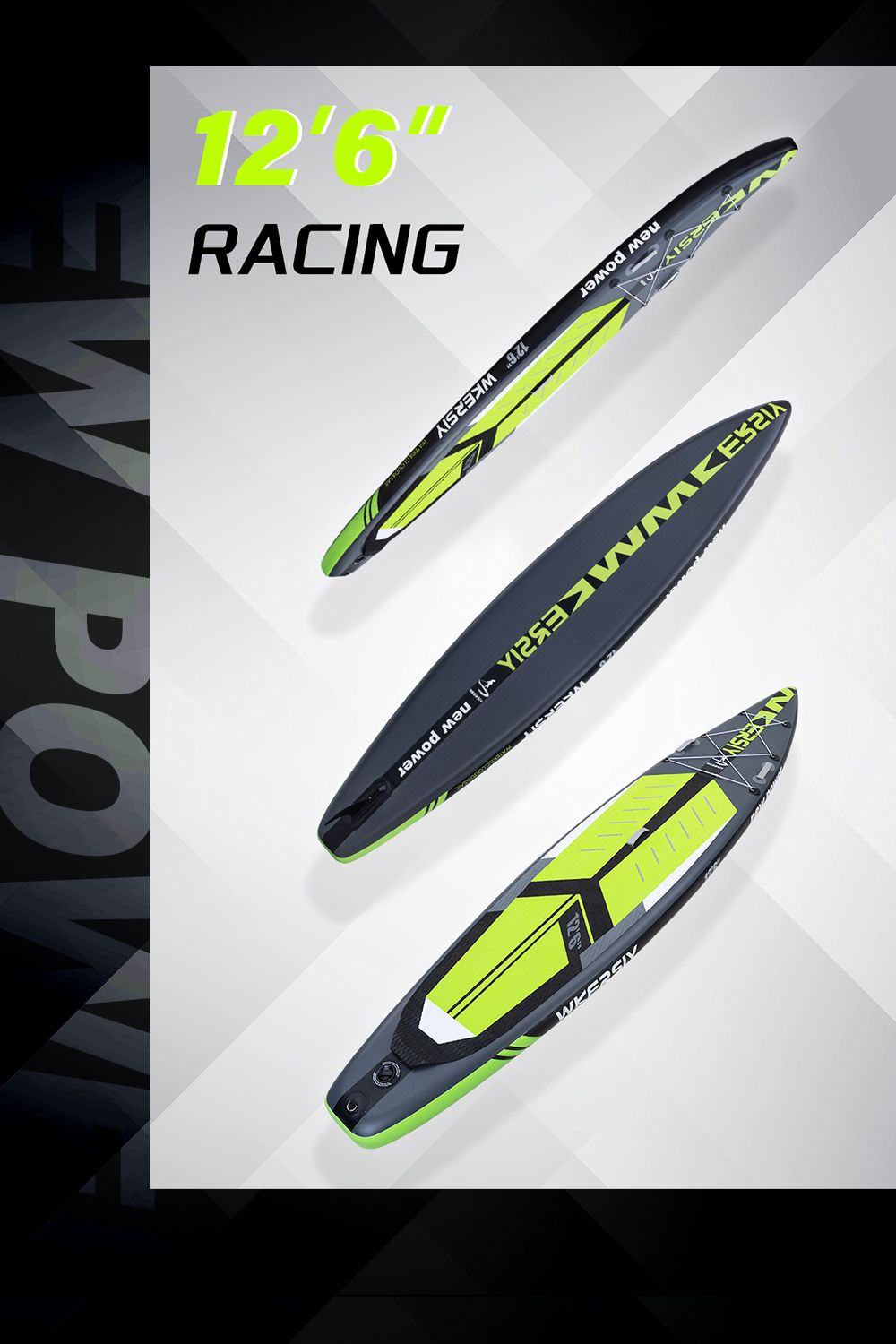
As the sport grew, so did the specialized tools. We saw the rise of the Race SUP for those seeking speed and the Wide Stable SUP Board for those seeking a floating sanctuary.
| Era | Material/Focus | Impact on People |
|---|---|---|
| Ancient | Reed & Wood (Survival) | Fishing and transport. |
| 1940s-60s | Solid Longboards (Utility) | Better visibility for surf instructors. |
| Modern | Inflatables & Carbon (Access) | Global fitness and family recreation. |
Preserving the Legend
Today, we respect the history by taking care of our equipment. Modern paddlers are obsessed with longevity. They use a sup board rack or a paddle board wall rack to ensure their boards don't warp. Proper paddle board storage isn't just about tidiness; it’s about honoring the craft that connects us to the ancient kings of the Pacific.
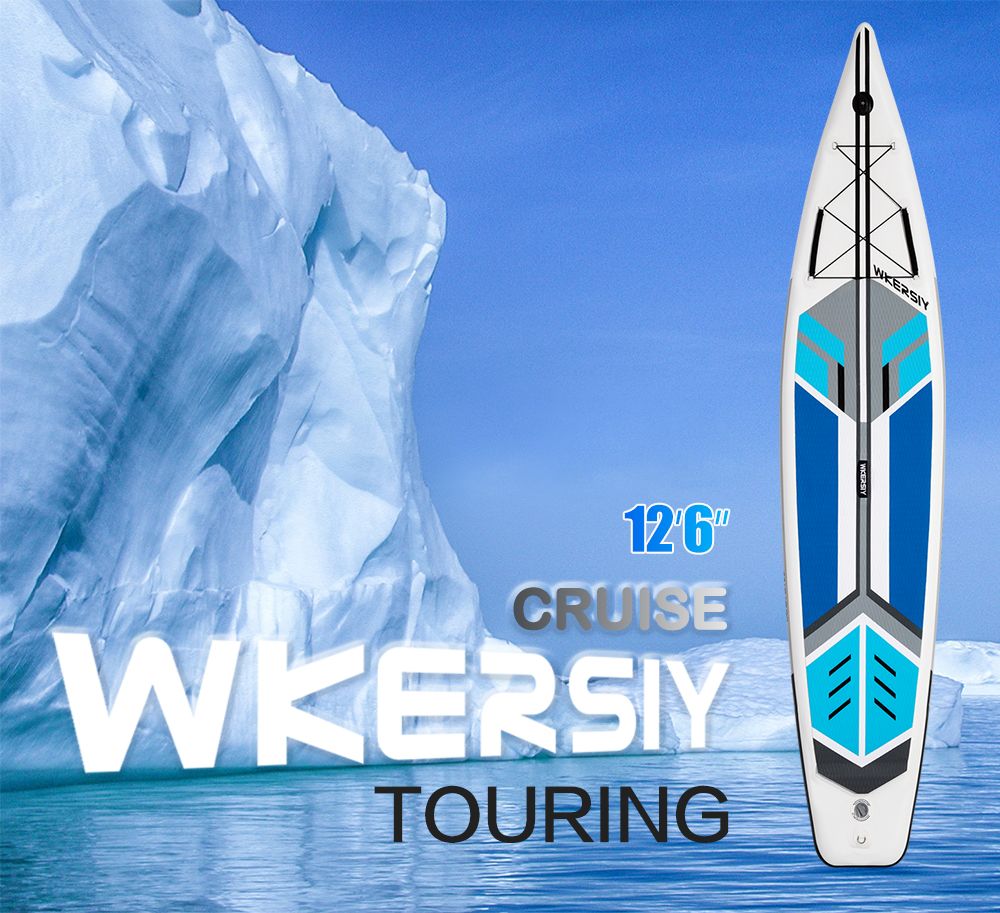
Whether you are using an electric pump for sup boards to save time or paddling a Touring SUP Board to find a hidden cove, you are part of a 3,000-year-old story.
Step into history. Find your place on the water this year.