Navigating the Flux: Advanced Tidal Strategy and Current Management for Open Ocean SUP
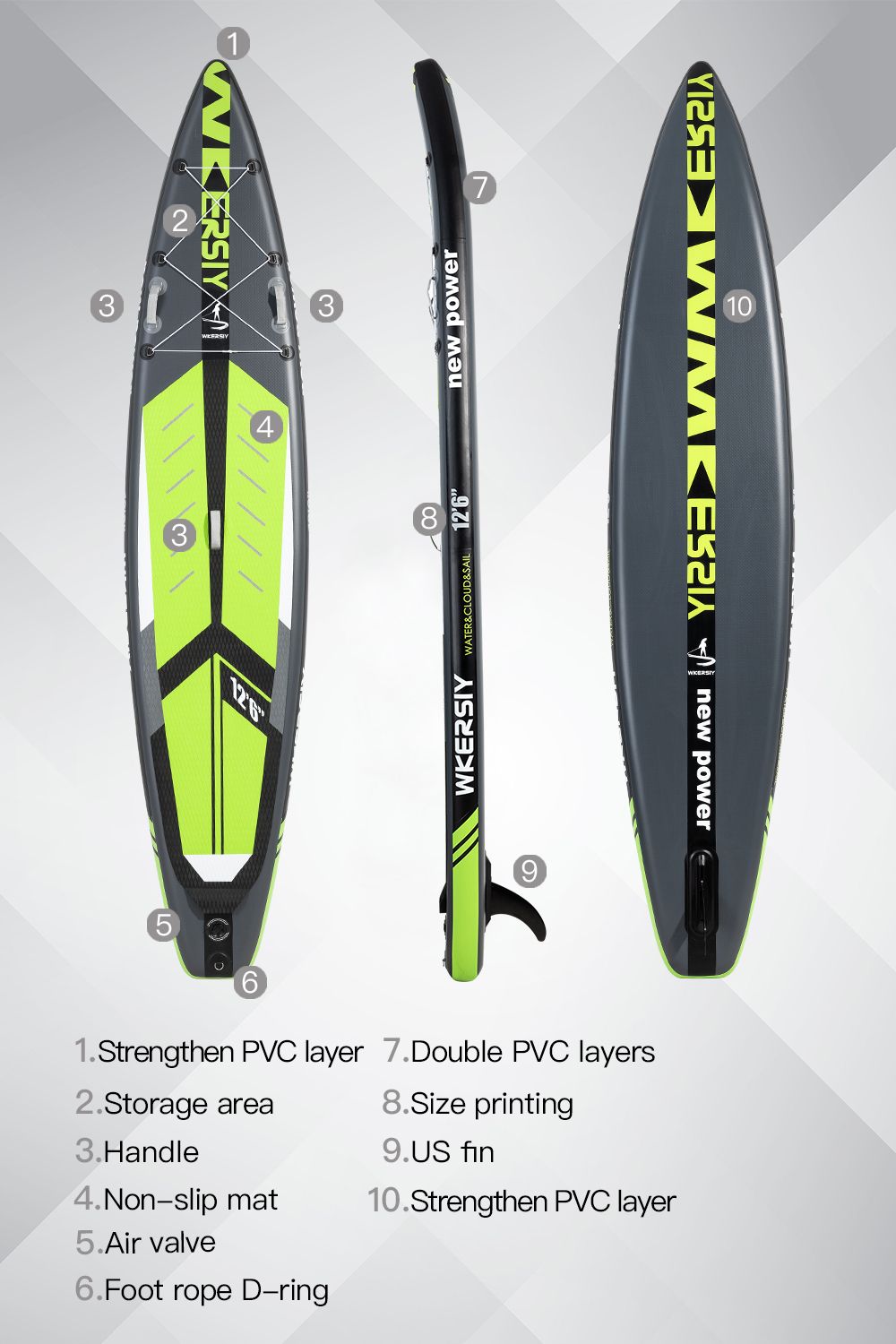
For the explorer on a RockerWave Legacy board, the ocean is a dynamic thermodynamic system. Mastering open ocean touring requires more than strength; it requires the ability to read the "Invisible Map"—the intersection of tidal flux, bathymetry, and current vectors that dictate your efficiency offshore.
1. The Physics of Tidal Streams
Tidal movement is not just about water rising and falling; it’s about massive volumes of water moving horizontally. A professional navigator uses the "Rule of Thirds" to predict current strength. By timing your crossing to align with tidal assistance, you can increase your effective speed by up to 3 knots. The RockerWave Legacy's displacement hull is optimized to maintain stability in these high-volume water movements, ensuring you stay on course even when the tide is in flux.
2. Reading Bathymetry and "Reflected" Waves
Submerged topography (bathymetry) shapes the surface water. When deep-ocean swells hit a shallow reef or a coastal cliff, they create "Reflected Waves" or "Clapotis." This creates a confused, energy-sapping chop. Tactical navigation involves identifying these zones. Our boards’ semi-hard rail design provides the secondary stability needed to navigate these turbulent intersections without losing your rhythm.
3. The Ferry Angle and Cross-Current Compensation
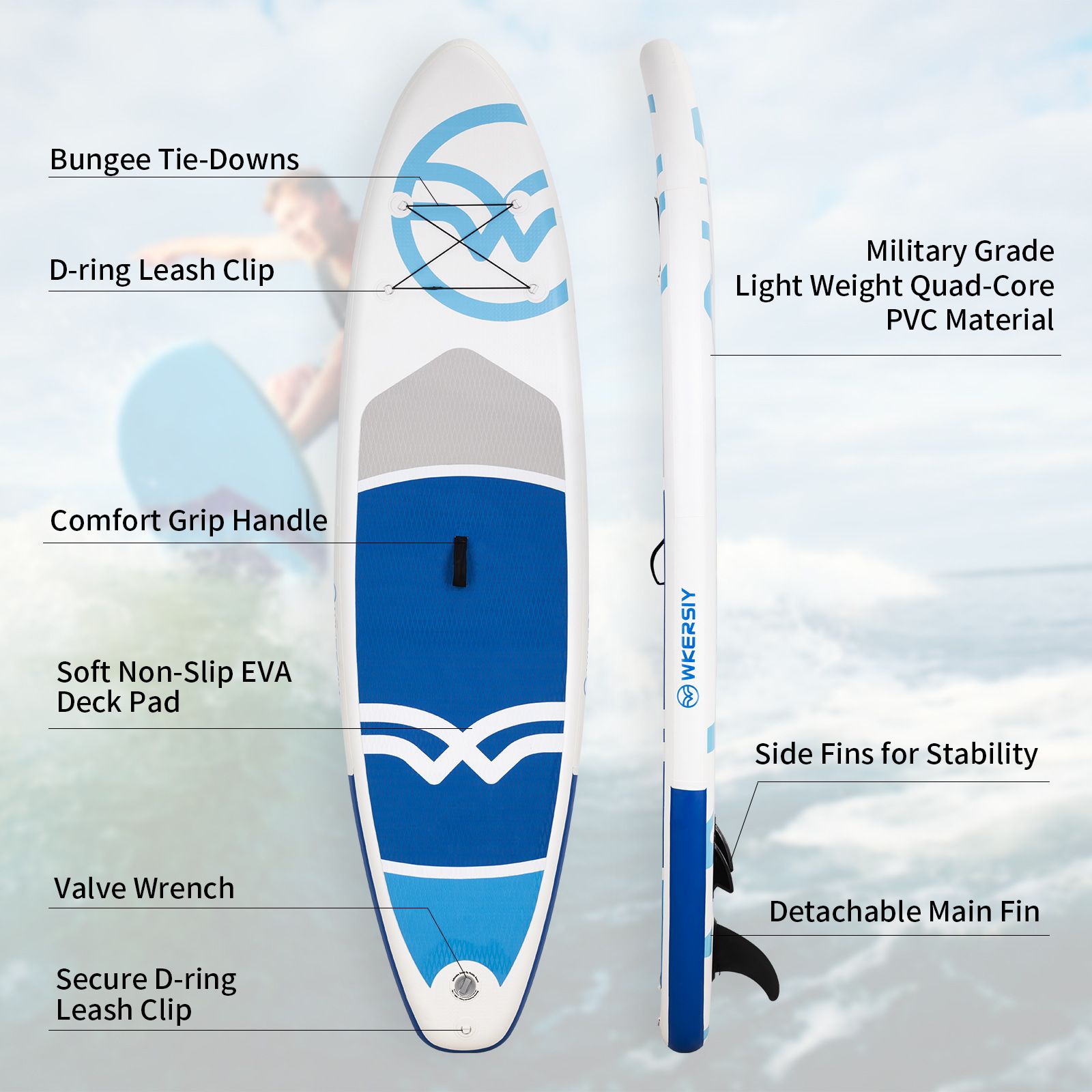
When crossing a channel with a side-current, aiming for your destination will result in a curved, inefficient path. Mastering the "Ferry Angle"—pointing your board's nose into the current to maintain a straight track—is essential. The Legacy Series features an extended tracking fin-box that resists lateral drift, making it easier to hold a precise vector and minimizing the need for corrective strokes.
Master the currents. Reach the horizon with the RockerWave Legacy Series.