Laminar vs. Turbulent Flow: The Bow Entry Anatomy
Laminar vs. Turbulent Flow: The Bow Entry Anatomy
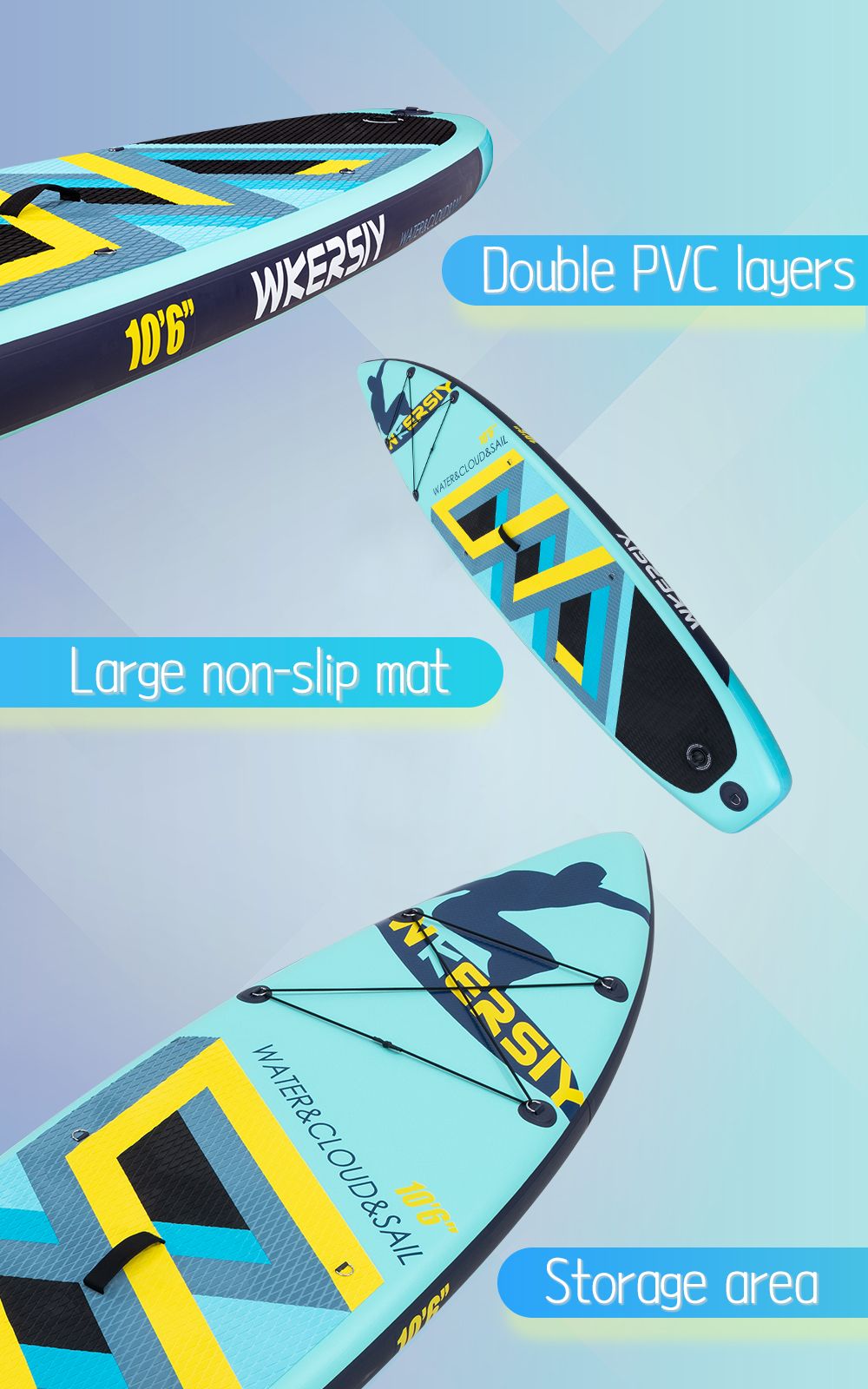
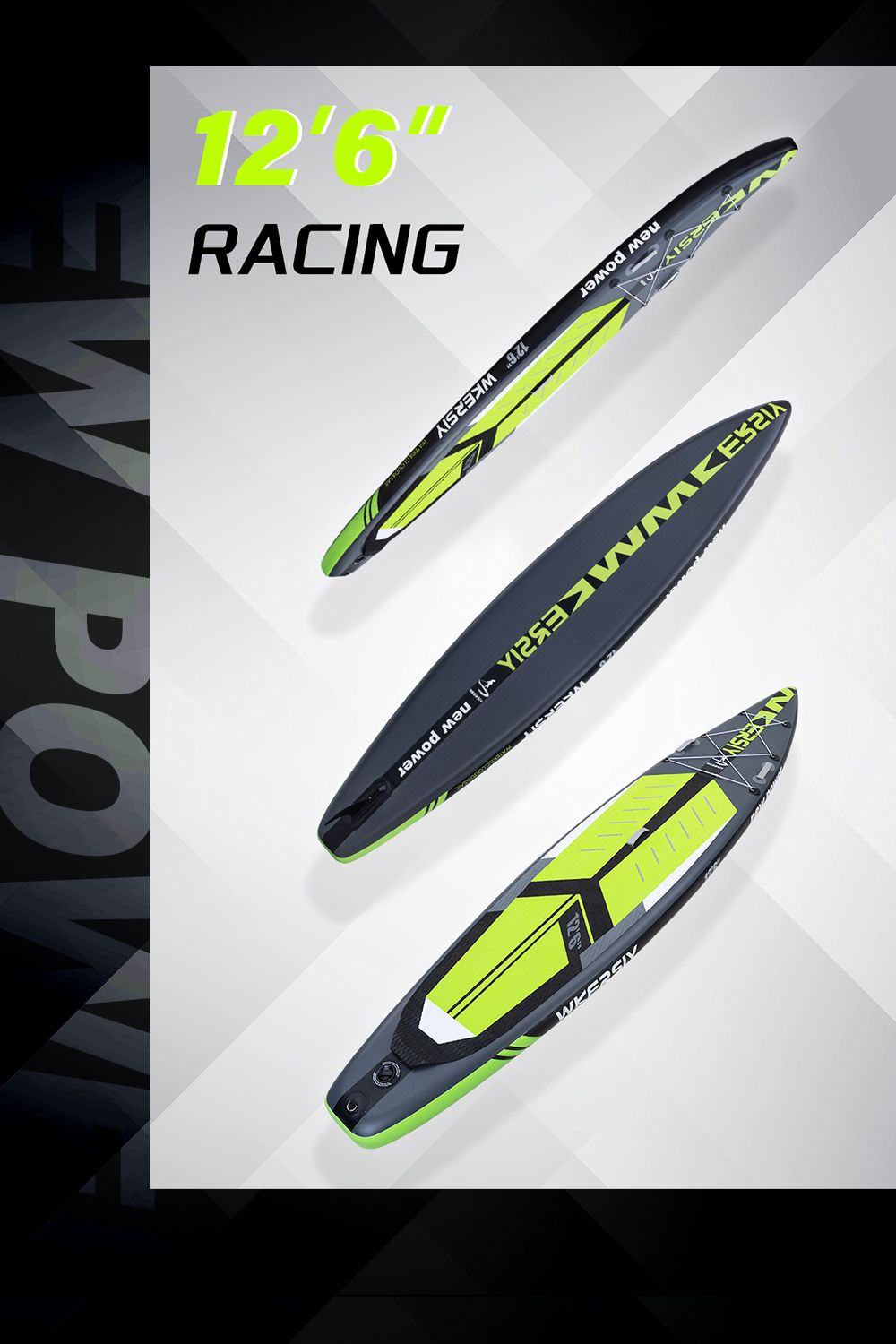
The bow of your paddleboard is the first point of contact between your vessel and the marine environment. In fluid dynamics, this is where the race is often won or lost. If the entry geometry is imprecise, you trigger 'micro-cavitation'—a turbulent bubble trail that follows your hull and creates a constant, parasitic drag. RockerWave’s Knife-Edge Bow™ is designed to guarantee laminar flow from the first millisecond of your stroke.
1. The Problem with Blunt Entries
Many 'all-condition' racing boards utilize blunt, high-volume noses to assist with buoyancy in cross-chop. While effective for safety, these shapes act as a wedge, forcing water downward and creating a high-pressure zone that results in turbulent wake formation. This turbulence causes the nose to 'wander' or 'yaw,' forcing the rider to waste energy on corrective strokes.
2. Knife-Edge Laminar Induction
Our bow profile is machined to a razor-thin, parabolic vertical edge. This geometry does not crush the water; it 'slices' it, directing the fluid along the hull’s lateral axis without inducing air entrapment. By maintaining laminar flow, we ensure the board tracks as if it were on a rail, even in challenging cross-wind scenarios.
3. The Precision Tracking Advantage
Laminar flow is the holy grail of marine design. By eliminating the bubble-induced 'nose-wobble,' we enable a more efficient stroke rhythm. You spend less time compensating for a wandering nose and more time pulling the board forward. This allows our athletes to maintain a significantly higher 'strokes-per-side' count, which is a critical metric for long-distance race endurance.