From First Paddle to First Race: Conquering the Sydney Harbour Challenge & Beyond
From First Paddle to First Race: Conquering the Sydney Harbour Challenge & Beyond
I’ve been paddling for 20 years. I’ve navigated the ferry wakes of Sydney Harbour and felt the heavy swells of Hawaii’s North Shore. If you are a beginner in Australia or New Zealand, entering a local race is the best way to test your limits.
But here is the truth: most beginners fail because they buy the wrong gear. They see pros on narrow 71cm boards and try to copy them. They end up falling more than paddling, which kills their confidence. You need to earn your way to the finish line by building a solid foundation first.
Step 1: The Stability Phase (Building Your Core)
Before you can race, you need to stay upright in the chop. Whether you are practicing at Rose Bay or Mission Bay, the best paddle boards for beginners are those that prioritize surface area. A wide deck isn't just for safety; it’s a training tool.
Many of my students use their boards for yoga paddle board sessions. This isn't just for relaxation—it builds the deep core strength you need for 10km races. If your board is too narrow, you'll spend all your energy just trying to stand still.
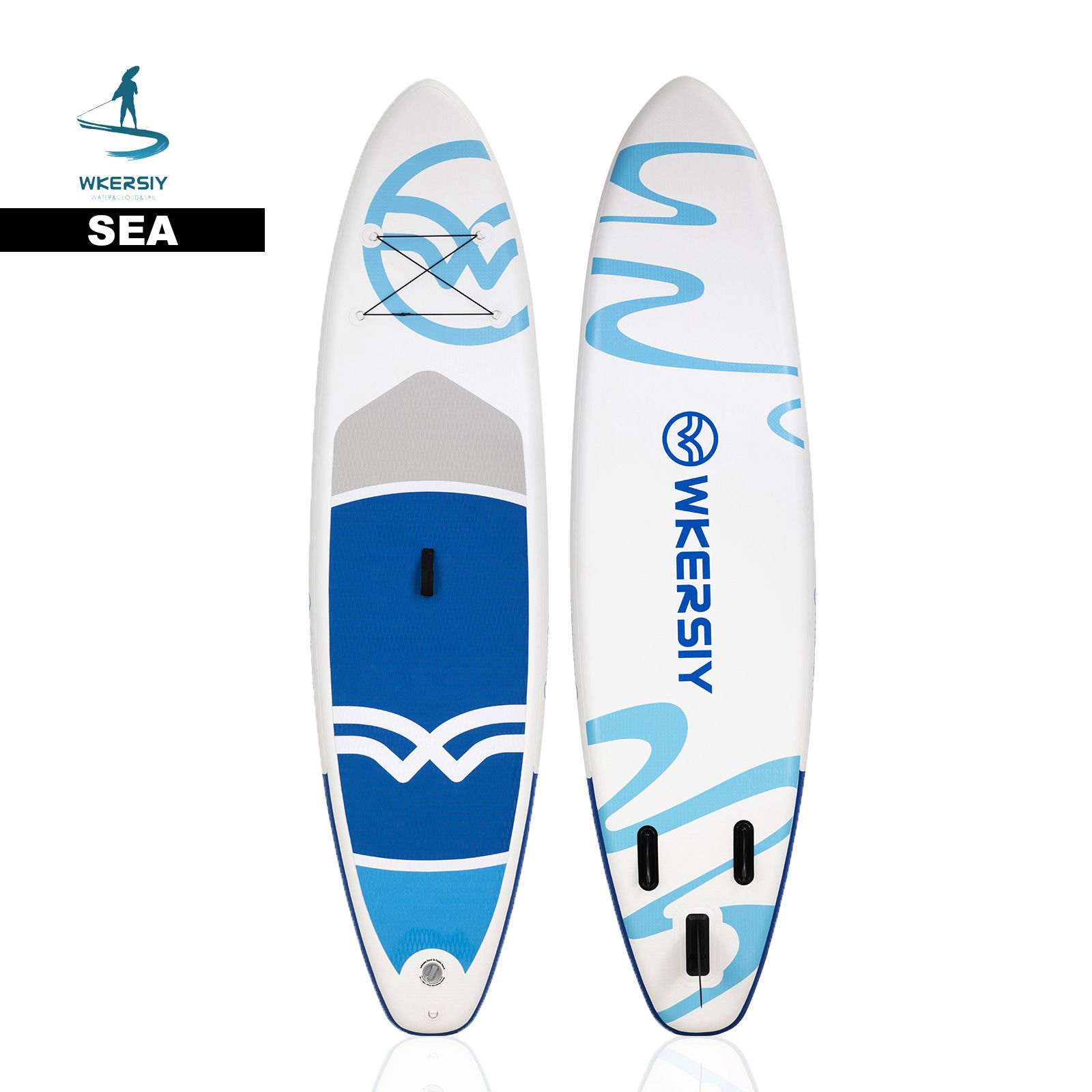
Recommendation: WERSIY Ultra-Wide Family SUP (320cm)
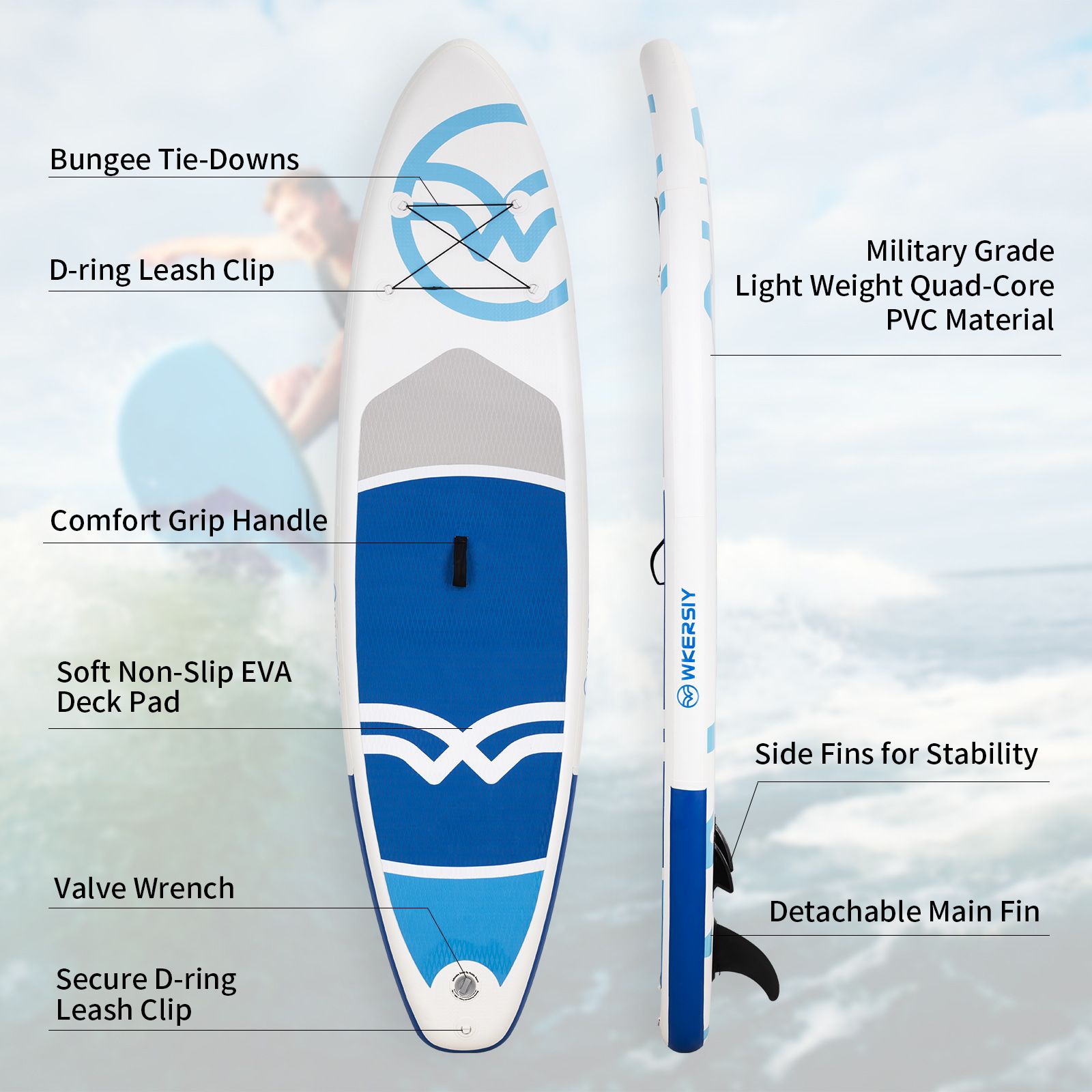
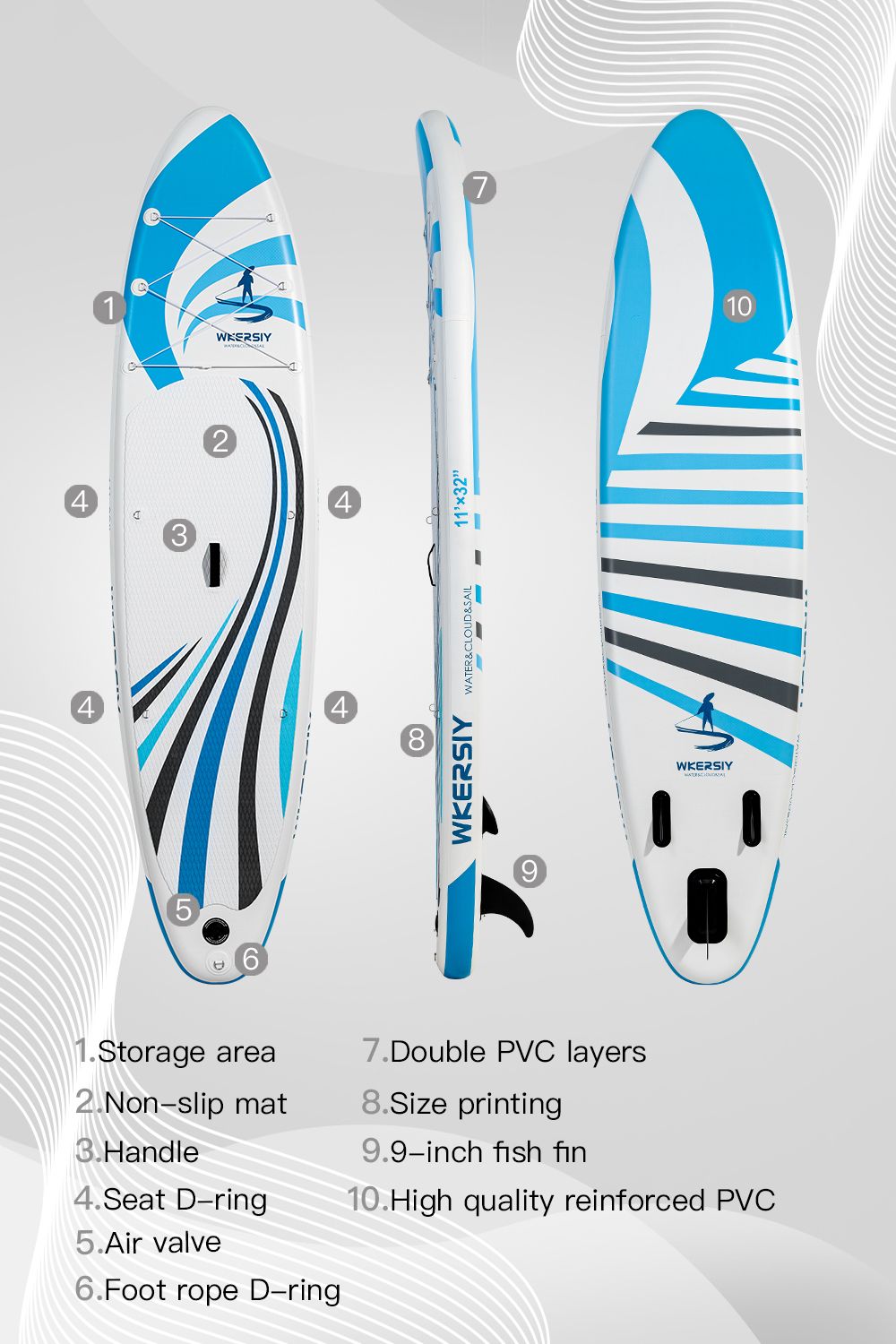
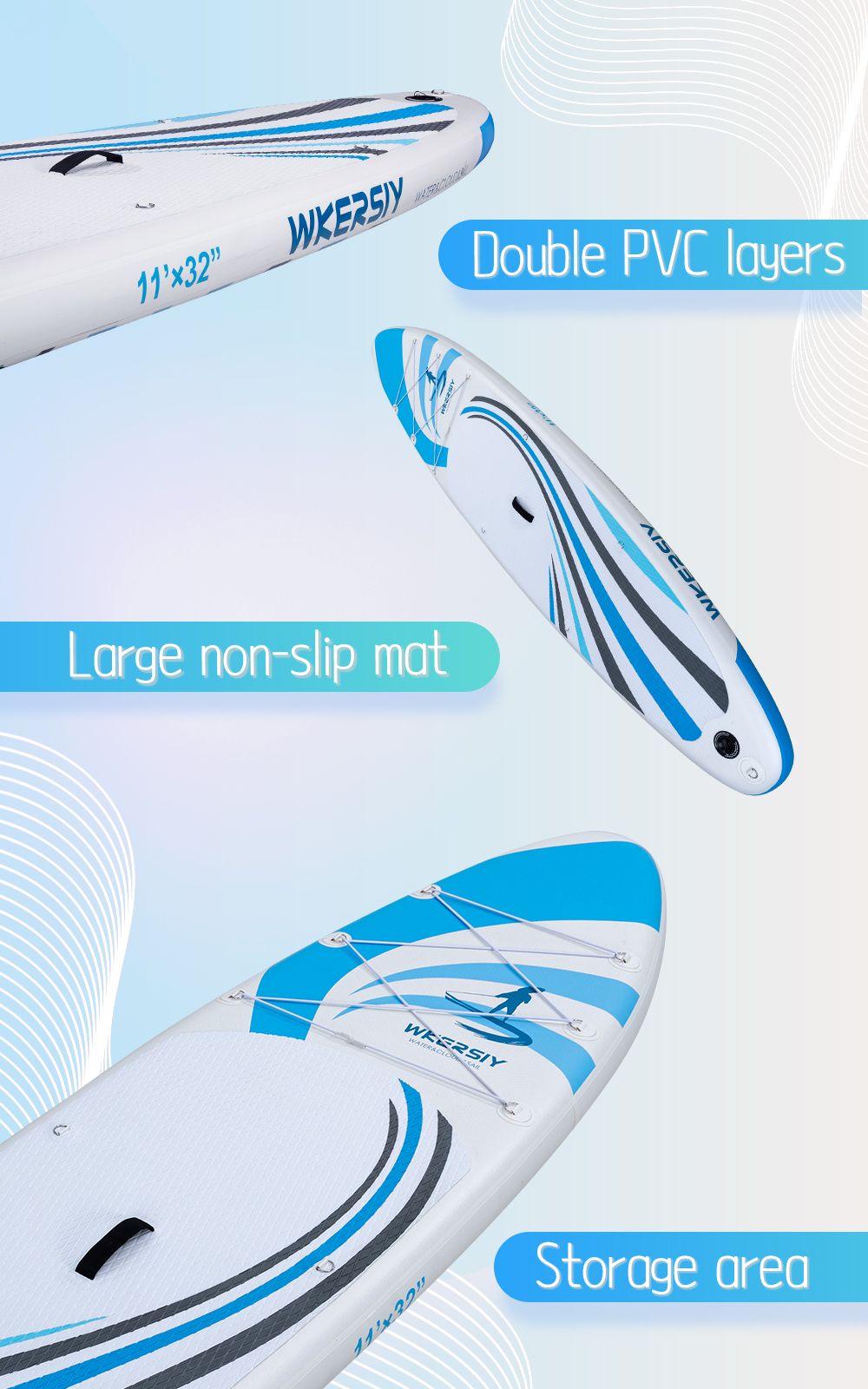
The WERSIY Ultra-Wide Family SUP (320cm) – 86cm Stable Deck is better for starters because that extra 5cm of width makes it nearly impossible to flip. Part of the WERSIY Wide All-Round Series (available in “Ocean-Aqua Harmony” and “Water-Veiled Cloud” styles), this board is designed for families and heavy loads.
- Core Advantage: 86cm ultra-wide board provides massive stability for beginners or kids.
- Durability: Made of 1.0mm thick drop-stitch PVC with 15PSI hardness and a 150kg load capacity.
- Space: The 320x86x15cm size fits 2 adults + 1 child or heavy camping gear for a lake picnic.
- Full Kit: Includes a heavy-duty aluminum paddle, high-flow manual pump, and a 3-fin setup for straight-line gliding.
Step 2: Training for Distance (Efficiency Over Everything)
Once you can handle the wind and chop without falling, it’s time to think about speed. In the technical runs of a race like the Sydney Harbour Challenge, a round-nose board will push water like a bulldozer. You need a pointed nose to cut through the ferry wakes.
When you transition to a Touring Paddle Board, you are looking for "glide." This means every stroke carries you further. You want a board that is long enough to track straight but ergonomic enough that your feet don't go numb after an hour of paddling.
Recommendation: WERSIY 350cm Extended SUP – Ergonomic Comfort
The WERSIY 350cm Extended SUP is the right pick for long-distance cruising. Part of the WERSIY Extended All-Round Series (available in colors like Tide-Blue Crest and Celestial Midnight Black), it balances efficiency with comfort.
- Design: The 350cm length (up to 50cm longer than standard boards) improves gliding efficiency and reduces fatigue.
- Ergonomics: The deck pad uses a contour design (thickened in the standing area) to reduce foot soreness during long-distance coastal exploration.
- Rigidity: 15PSI inflation hardness keeps the board stiff while remaining lightweight at only 7.5kg.
- Pro Accessories: Comes with a high-efficiency carbon fiber paddle and 8 integrated D-rings for hydration packs or dry bags.
The Pumping Reality: Save Your Arms
I see it every weekend: people sweating and panting while trying to pump up paddle board by hand before they even hit the water. It’s a rookie mistake. If you want to finish a 10km race, you need your arm strength for the paddle, not the pump.
Direct Advice: Rockerwave focuses on high-performance boards and does not sell electric pumps due to shipping hurdles. You should absolutely go to your local shop in Sydney, Auckland, or Honolulu and buy a 12V paddle board pump. An electric pump for sup boards ensures you hit the required 15-18 PSI while you stay fresh and apply your sunscreen.
Comparing the Gear
| Feature | Wide Family SUP (All-Round) | Extended Touring SUP (350cm) |
|---|---|---|
| Primary Use | Stability, Family, Yoga | Long Distance, Speed, Racing Prep |
| Board Width | 86cm (Ultra-Wide) | 81cm (Streamlined) |
| Max Load | 150kg | 130kg |
| Weight | Standard | 7.5kg (Lightweight) |
| Best For | Absolute Beginners | Intermediate / Distance Cruising |
Protecting Your Board: Storage Tips
The sun in Australia and Hawaii is brutal on PVC. If you leave your isup vs sup debate behind and choose an inflatable, you must know how to store paddle boards correctly. Never leave them inflated in the direct sun for days; the heat expands the air and can burst the seams.
For long-term paddle board storage, keep the board in a cool, dry place. Using a sup board rack or a paddle board wall rack in your garage is the best way to keep the board off the floor and away from grit and moisture. A good paddle board wall rack makes it easy to grab your gear and go as soon as the tide is right.
Final Thoughts
The Sydney Harbour Challenge and the Hauraki Gulf are waiting for you. Don't overcomplicate it. Start with the WERSIY Ultra-Wide to find your feet. Once you can paddle 5km without a break, move to the 350cm Extended SUP to find your speed. Grab a pump locally, set up a rack at home, and get out there.
Ready to start training? Shop the Rockerwave collection today and find your perfect ride.