Cavitation Control: Engineering the Ideal Entry Point for Laminar Flow
Cavitation Control: Engineering the Ideal Entry Point for Laminar Flow
The moment your board's nose hits the water, the countdown to drag begins. If the entry point isn't shaped with geometric perfection, air becomes trapped beneath the hull, forming a turbulent cloud of bubbles. In marine engineering, this is called **micro-cavitation**, and it is a massive speed killer.
1. The Turbulence Penalty
Many race boards utilize wide, high-volume noses to assist with buoyancy. However, these blunt shapes act like wedges, trapping pockets of air and creating a chaotic layer of frothy water beneath the front third of the board. This turbulent mix destroys your tracking ability, causing the board to drift side-to-side and requiring constant tracking corrections.
2. RockerWave's Knife-Edge Laminar Entry Profile
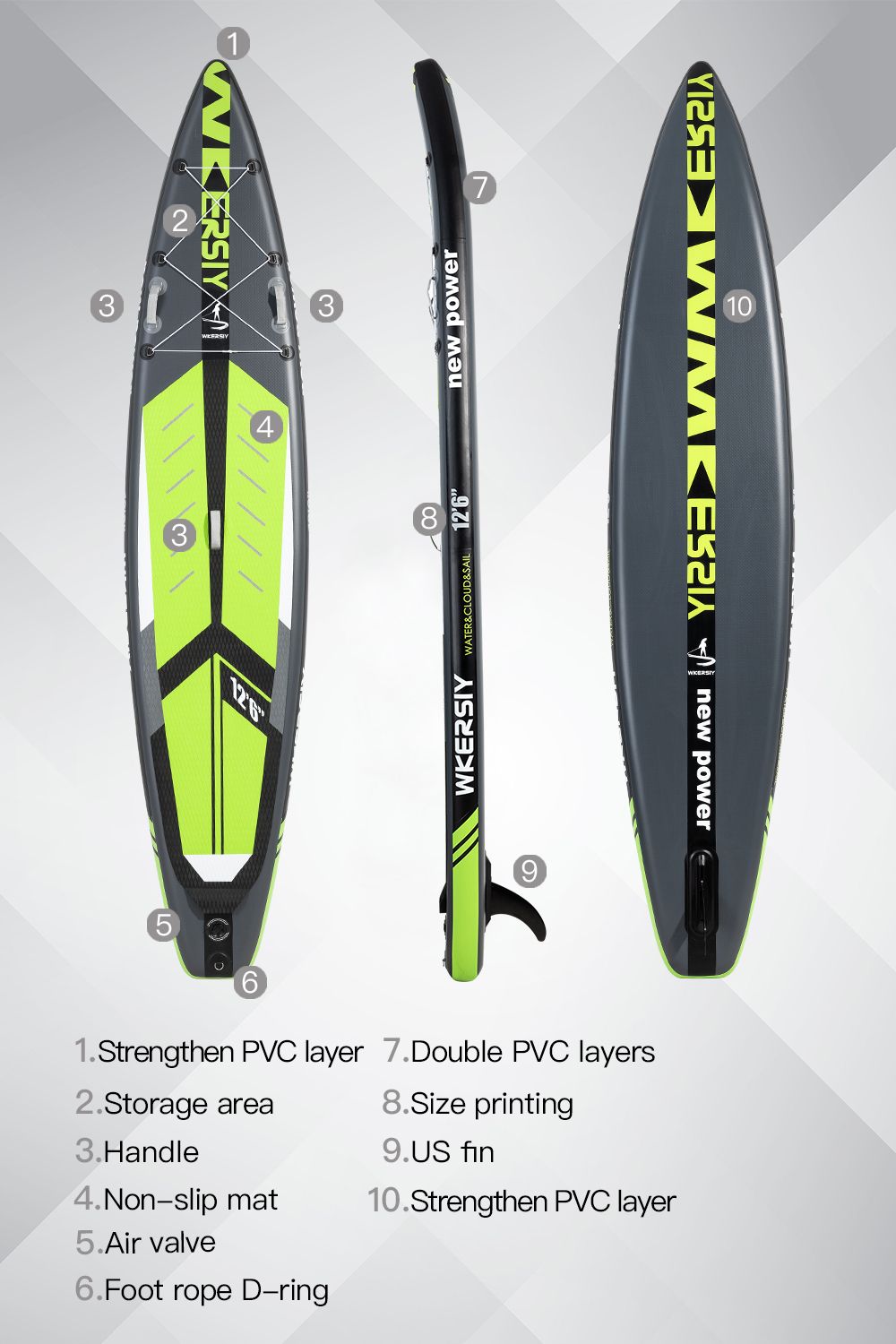
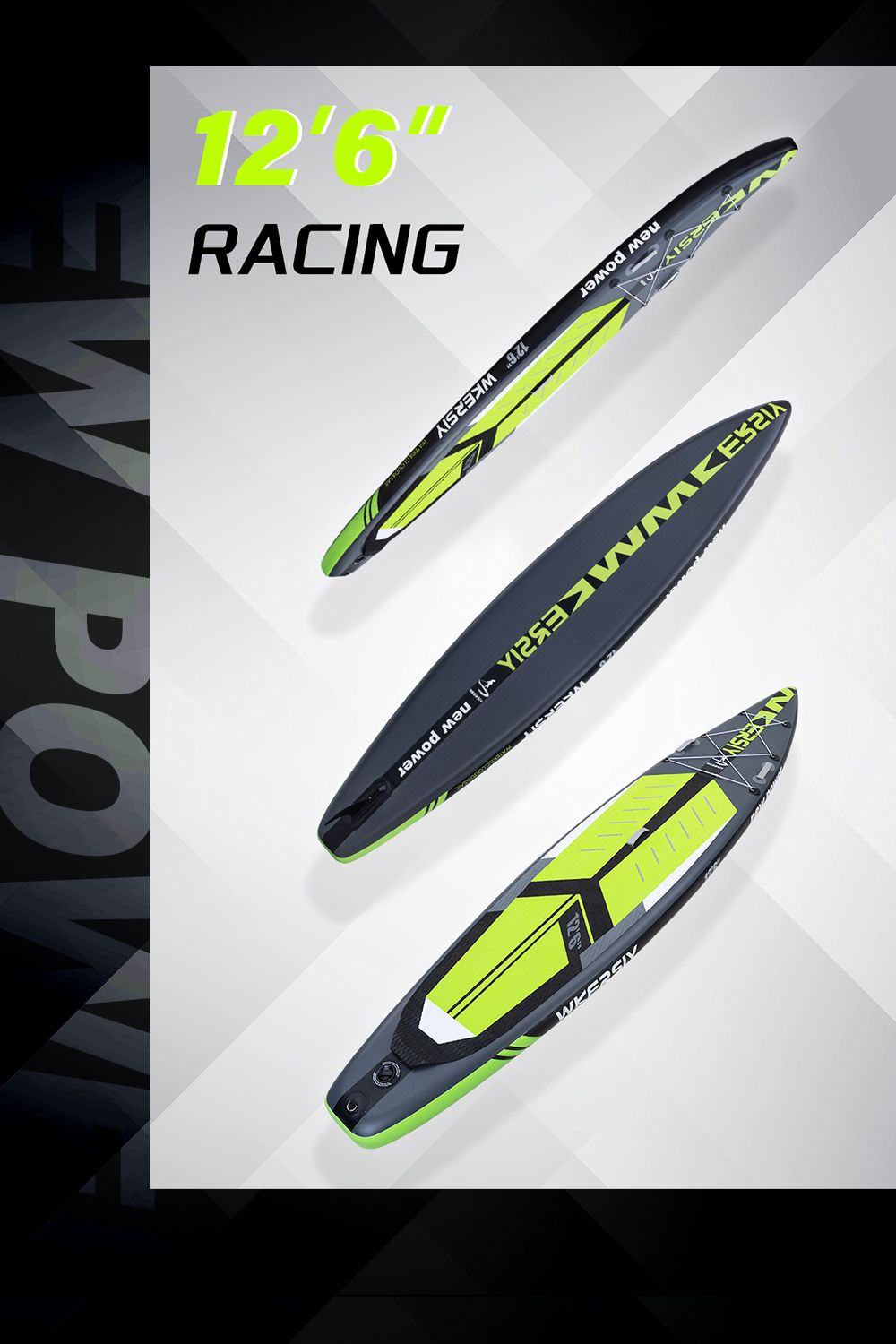
The forward bow of every RockerWave Master and Legacy board is machined to a razor-thin, micro-parabolic vertical edge. This shape ensures that water molecules are split cleanly along a horizontal vector rather than being crushed forward:
- Laminar Flow Induction: Water hugs the hull tightly without separating or bubbling, maintaining a pure, unbroken fluid stream.
- Zero Air Trappage: By eliminating micro-cavitation, the bottom skin remains in direct, stable contact with clean water, maximizing your tracking tracking lines.
3. Surgical Precision on the Water
By controlling boundary layer cavitation, RockerWave delivers unmatched tracking stability. The board tracks as straight as an arrow, ensuring that every ounce of your energy drives you directly toward the finish line instead of being wasted on correcting a wandering nose.